Works

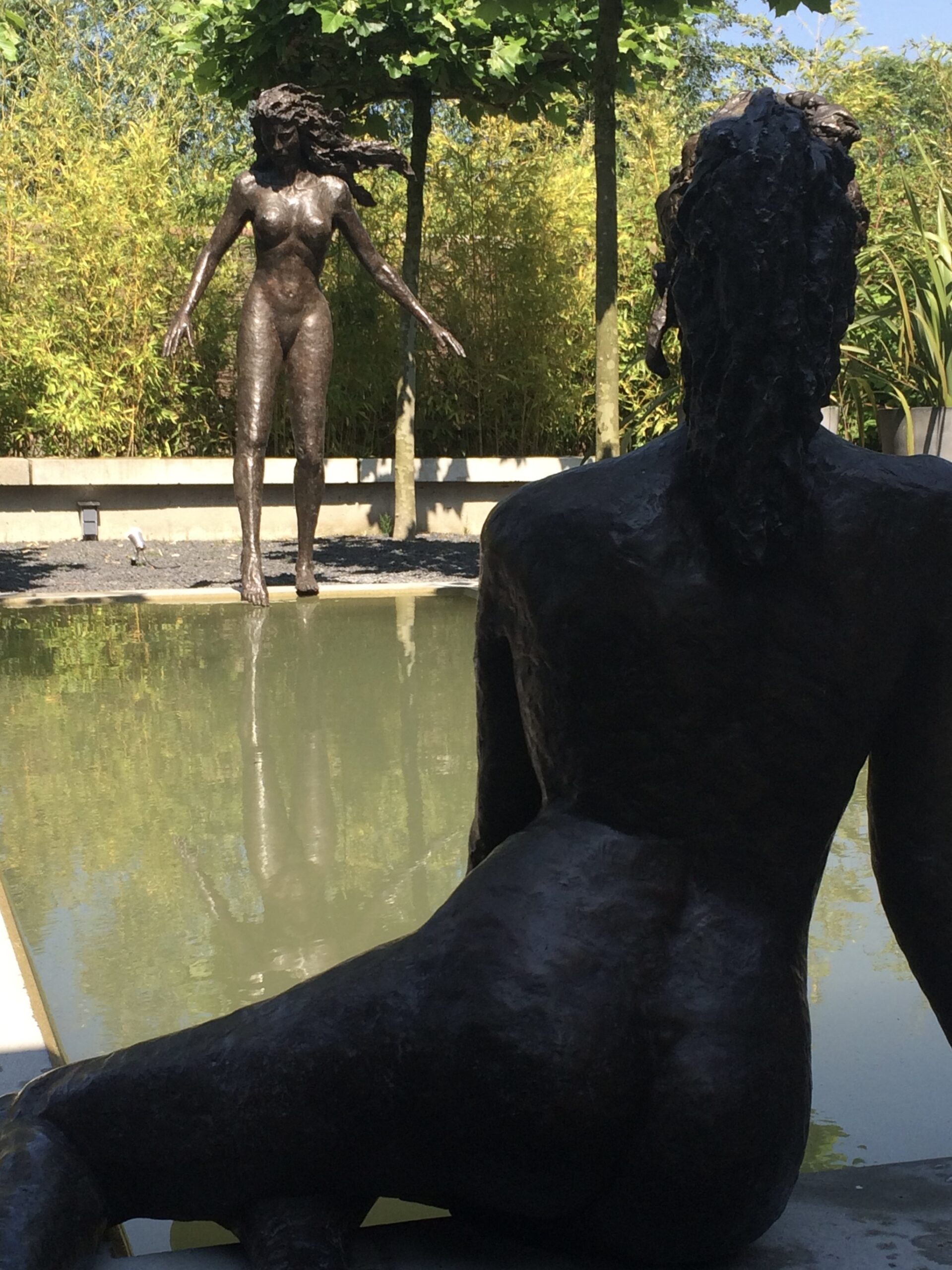
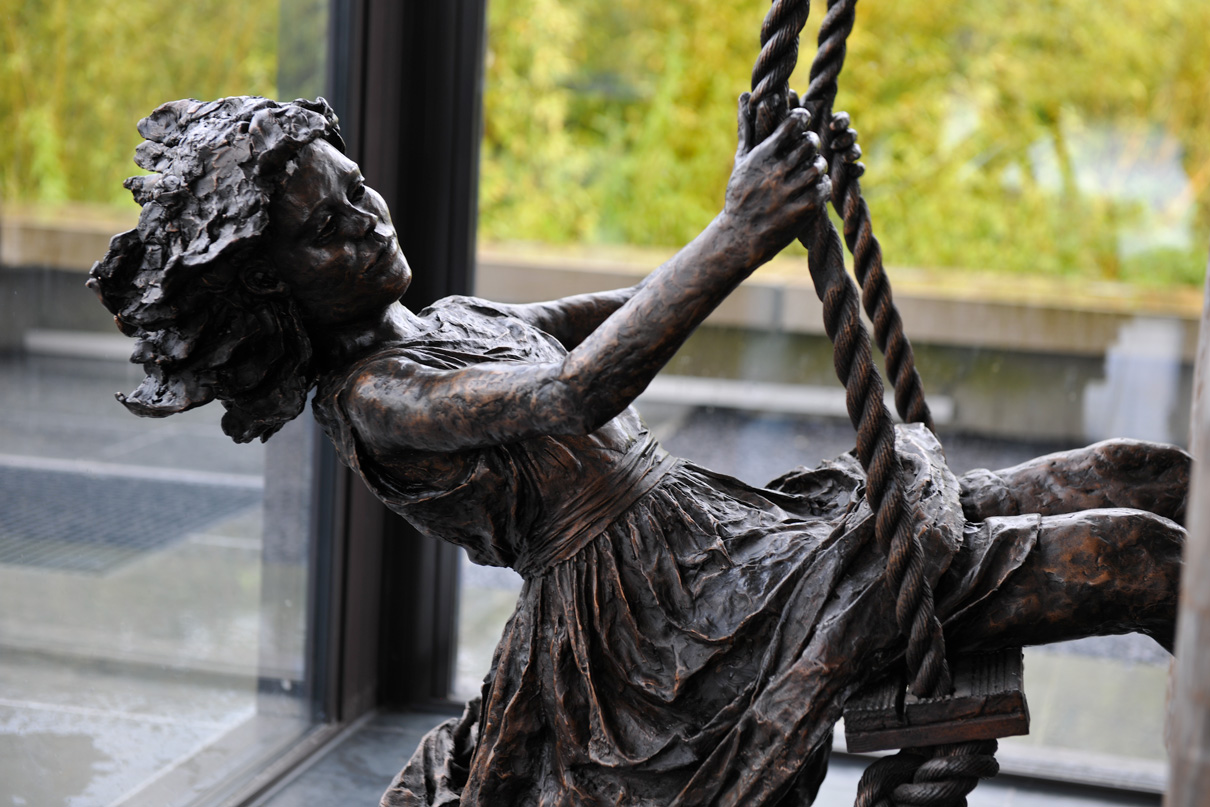
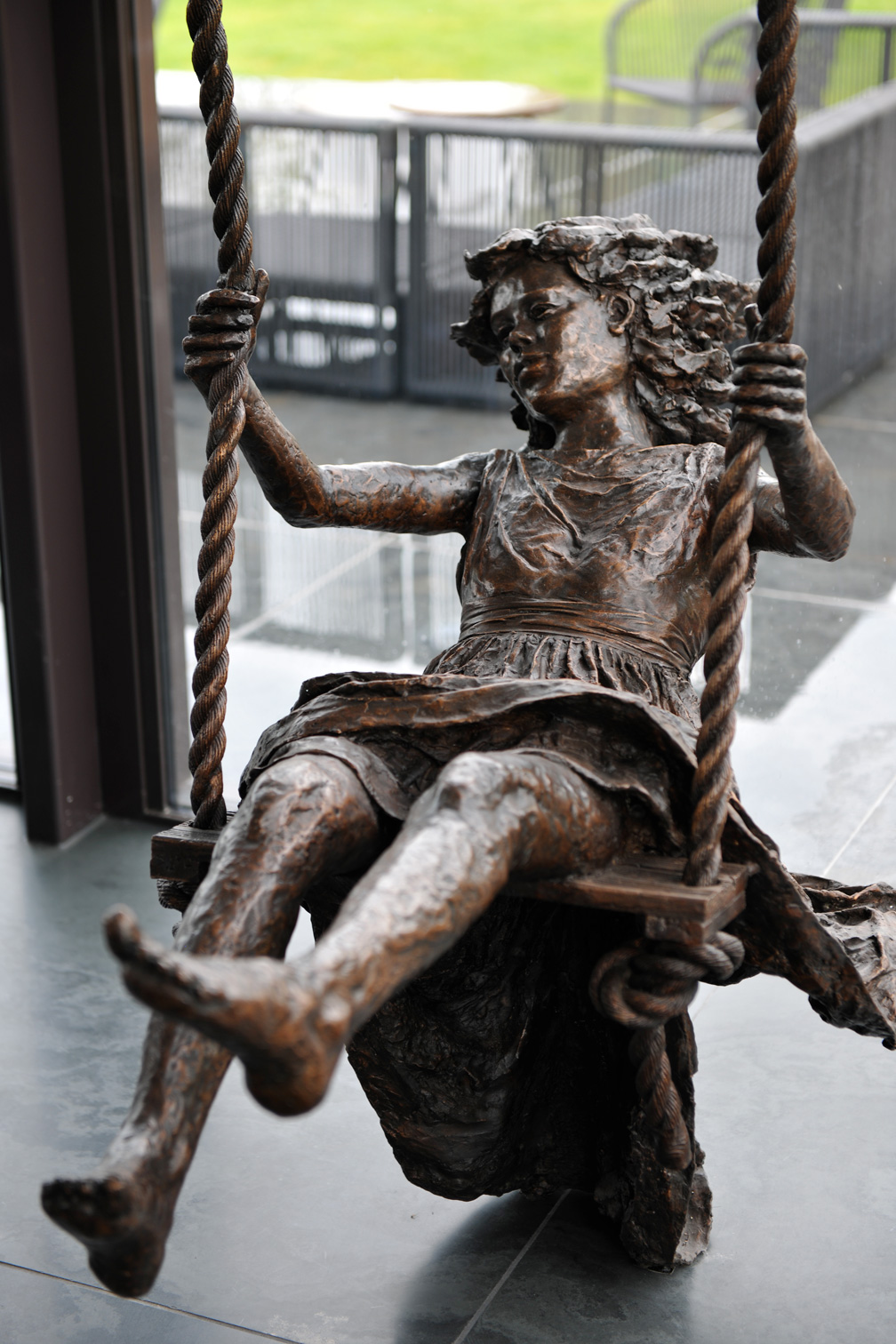
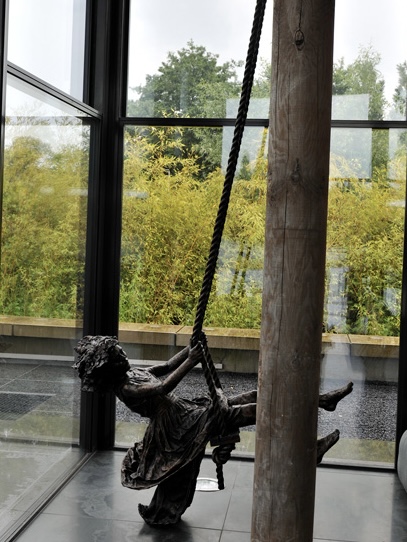
Over the past two decades, Christine has built a consistent body of bronze sculpture, moving between small scale figurative pieces and larger, serial works. Her subjects are rooted in the human figure: angels, children at play, portraits, and parent and child groupings, alongside women in resting or dancing poses, defined by posture rather than narrative. In recent years, this vocabulary has expanded into life size sculpture, such as a ballerina and a girl on a swing, scaling intimacy into public presence.

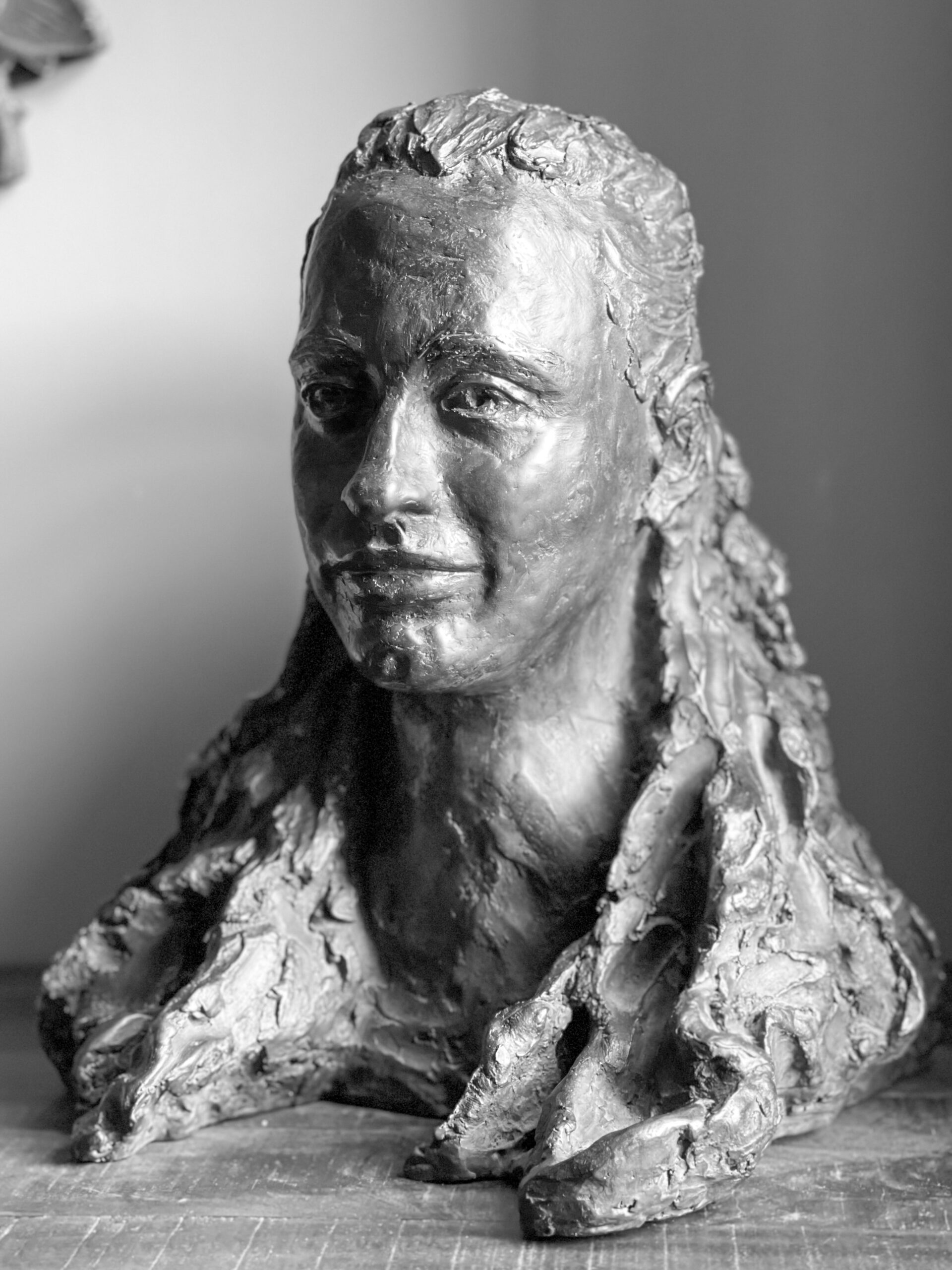
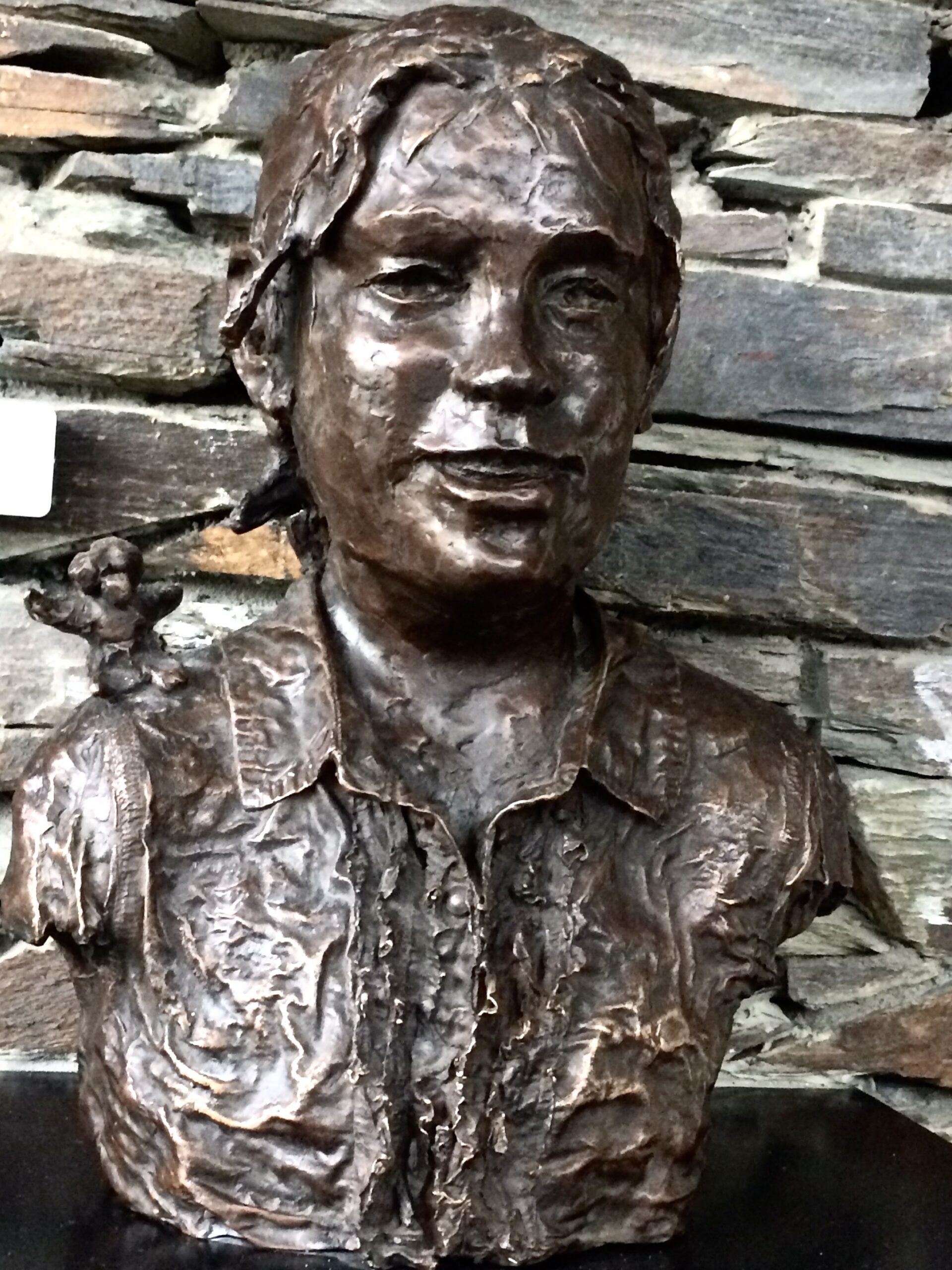
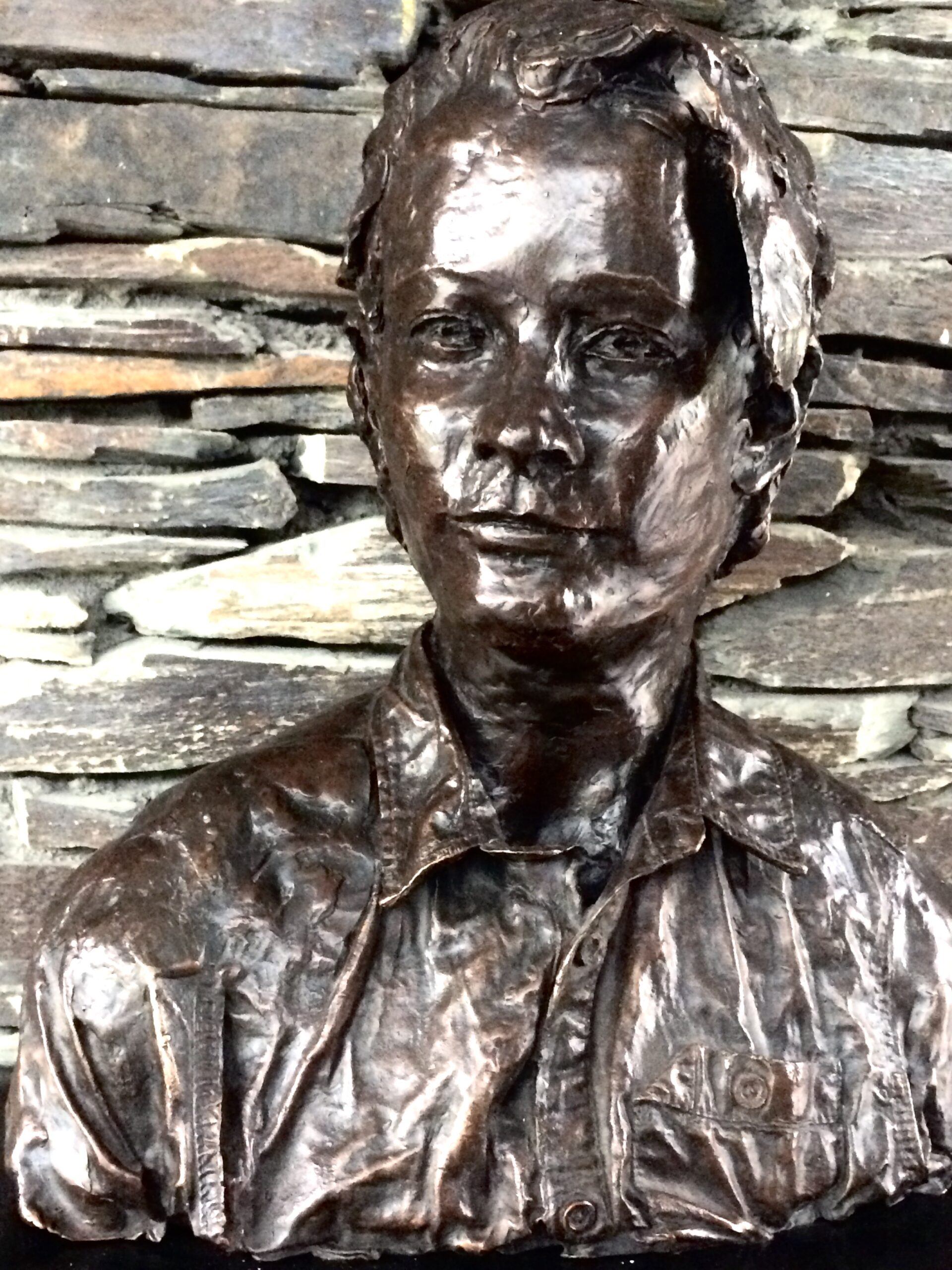
Portraits

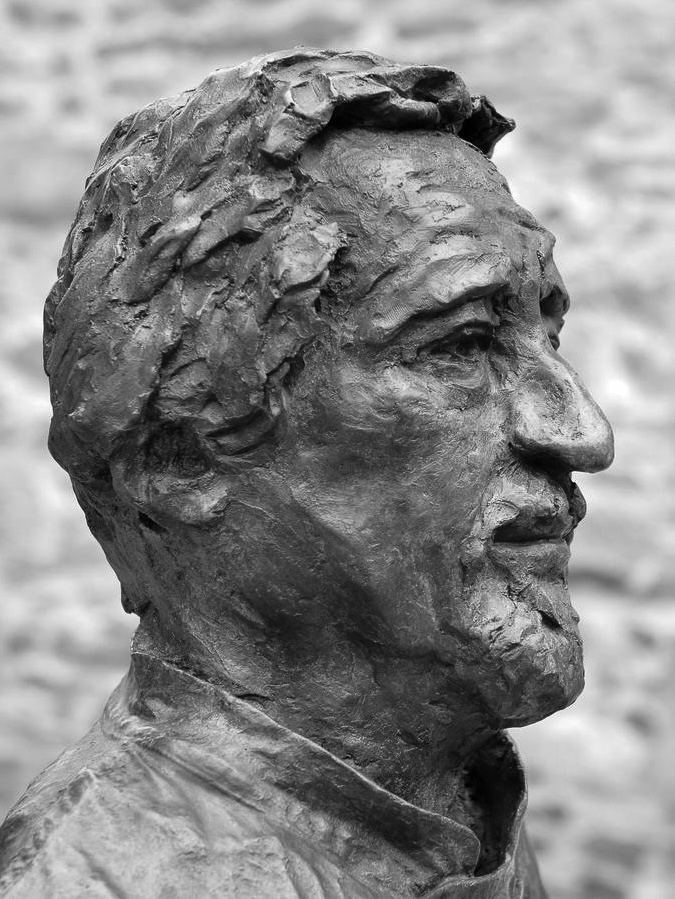
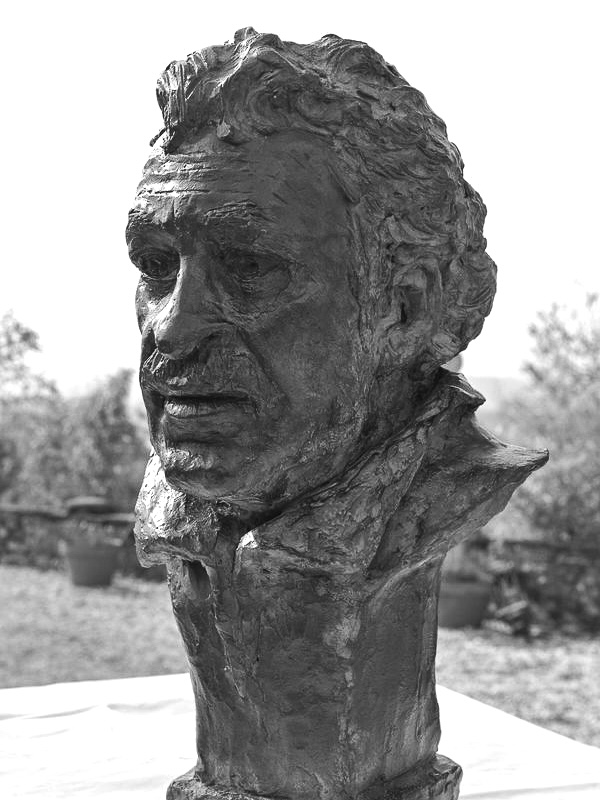
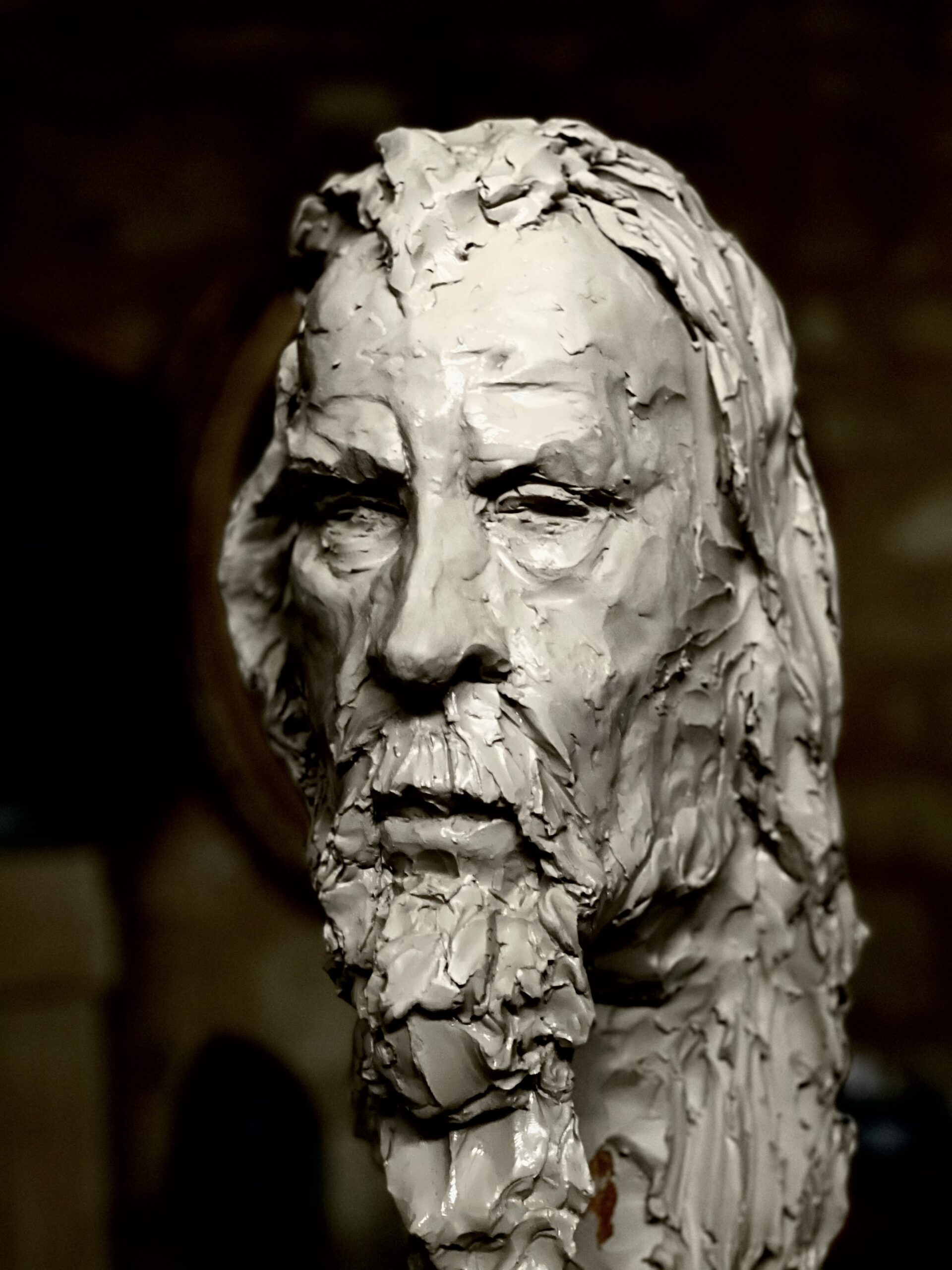
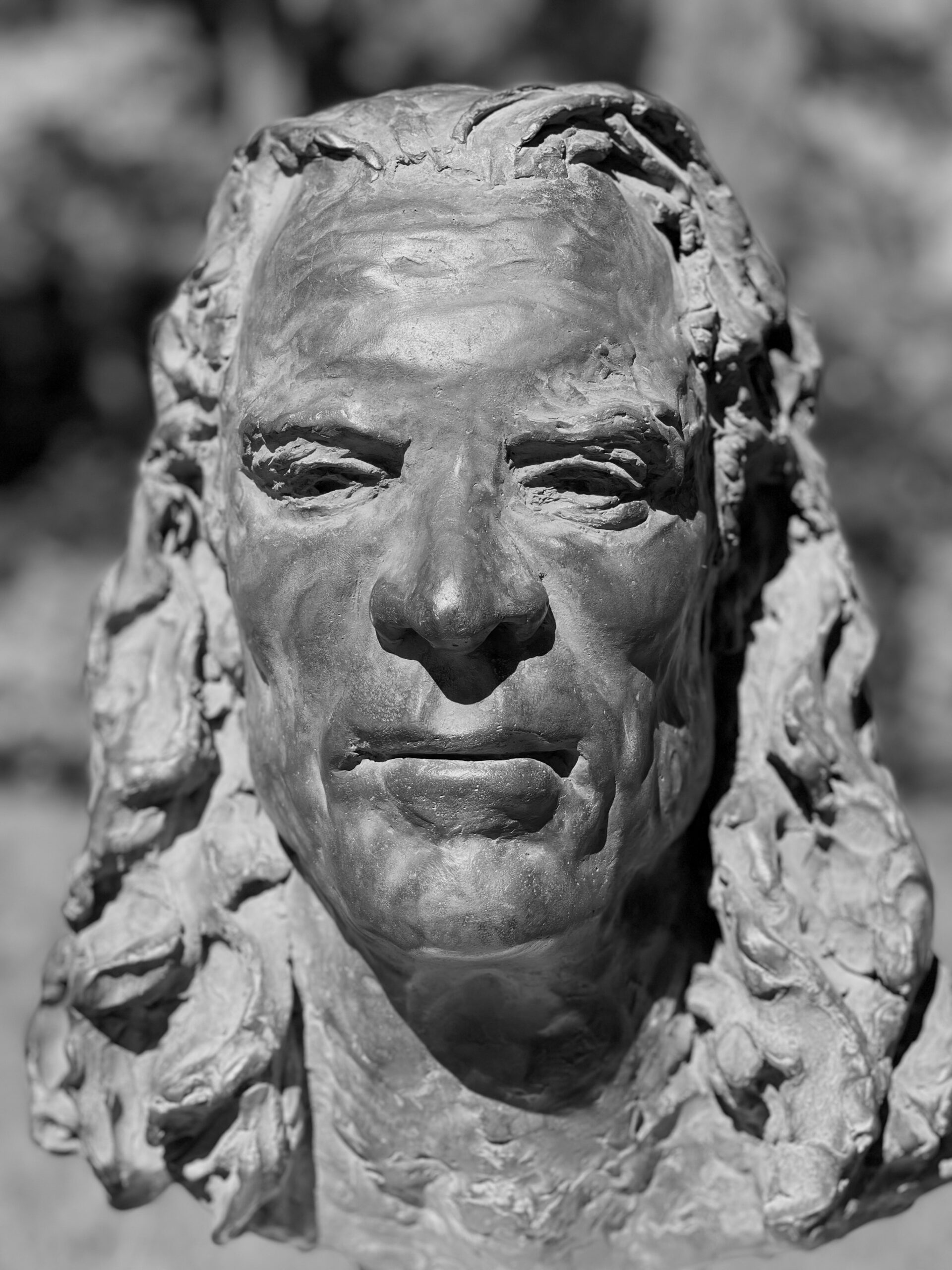
Simon
Bronze
 
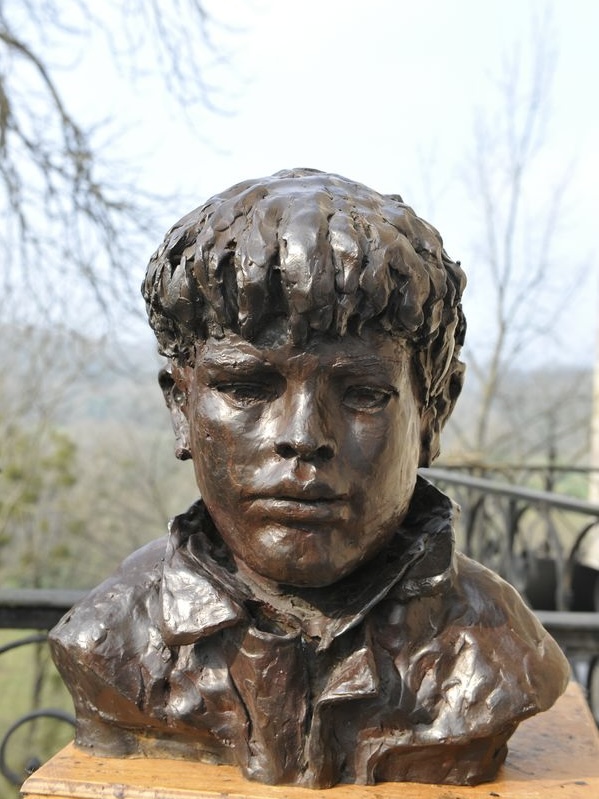
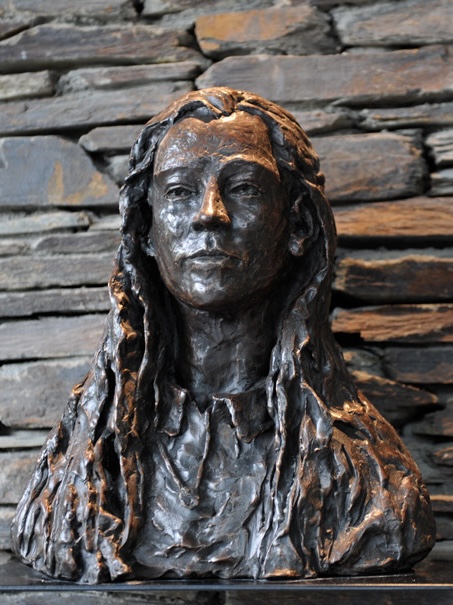
Charel, bronze - Christine Wiersema
Charel
Bronze
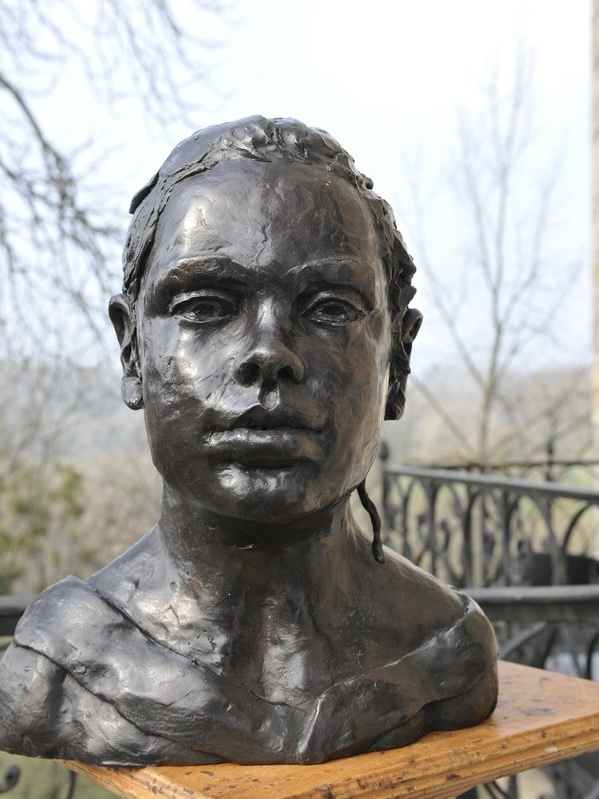
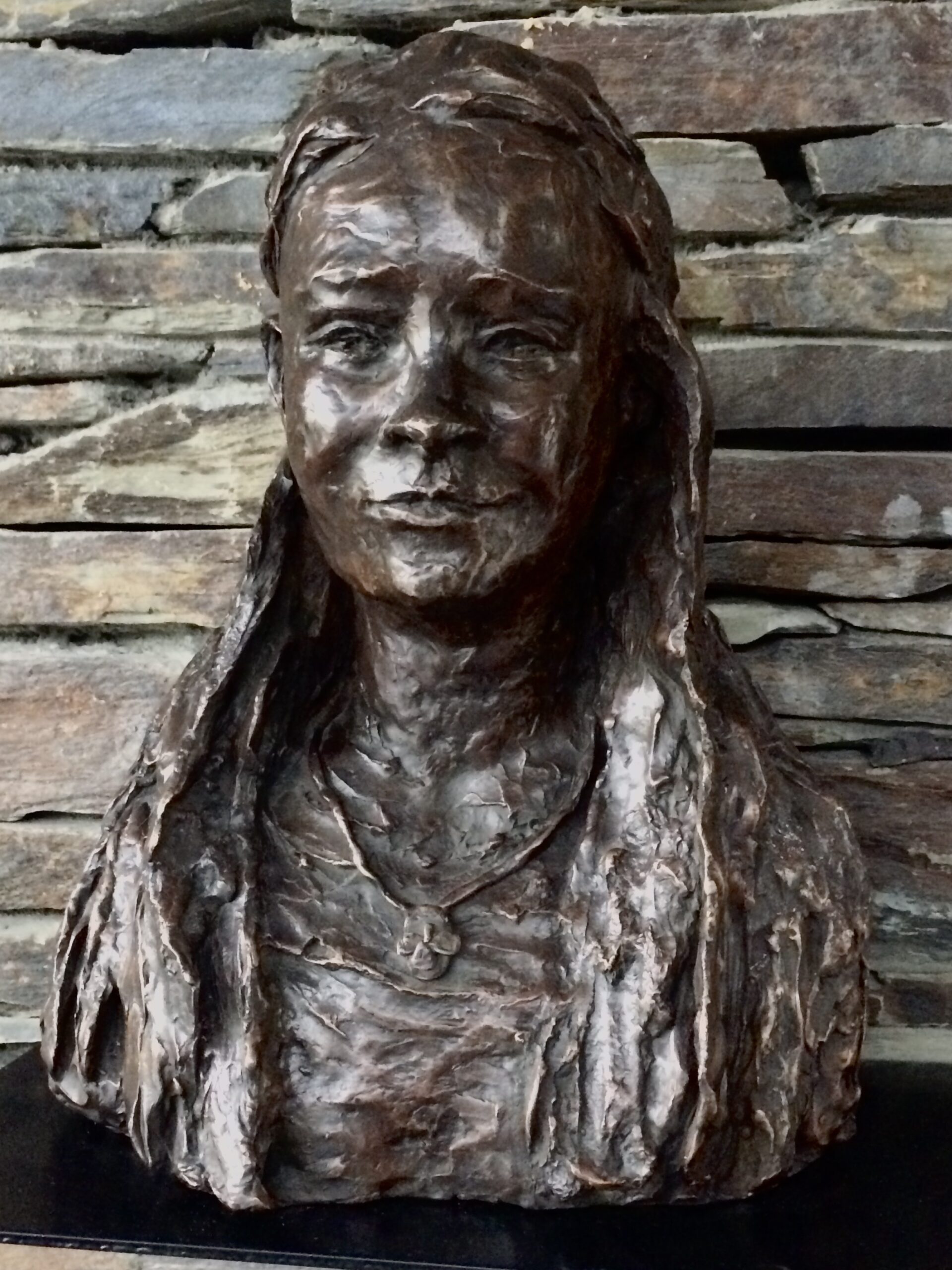
Alessandra, bronze - Christine Wiersema
Alessandra
Bronze
Bernhard
Bronze
Loulou
Bronze
Claud
Bronze
Sander
Bronze
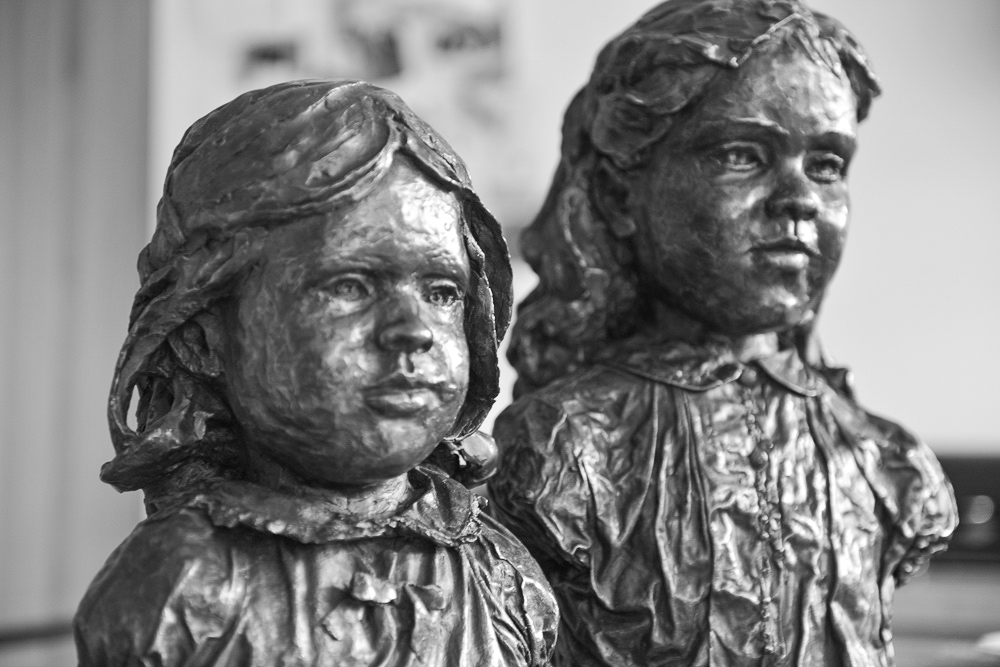
Sisters
Bronze
Emma
Bronze
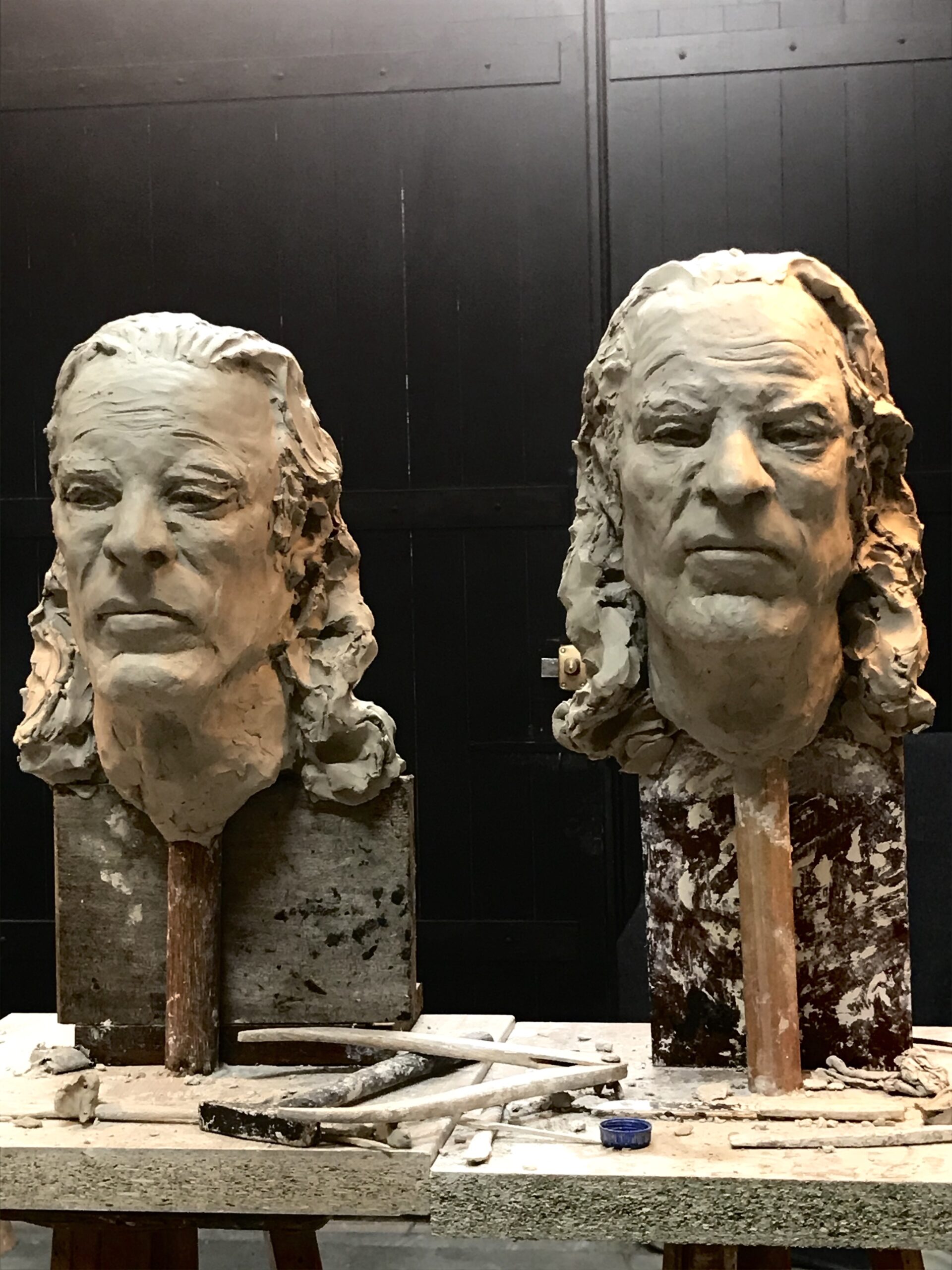
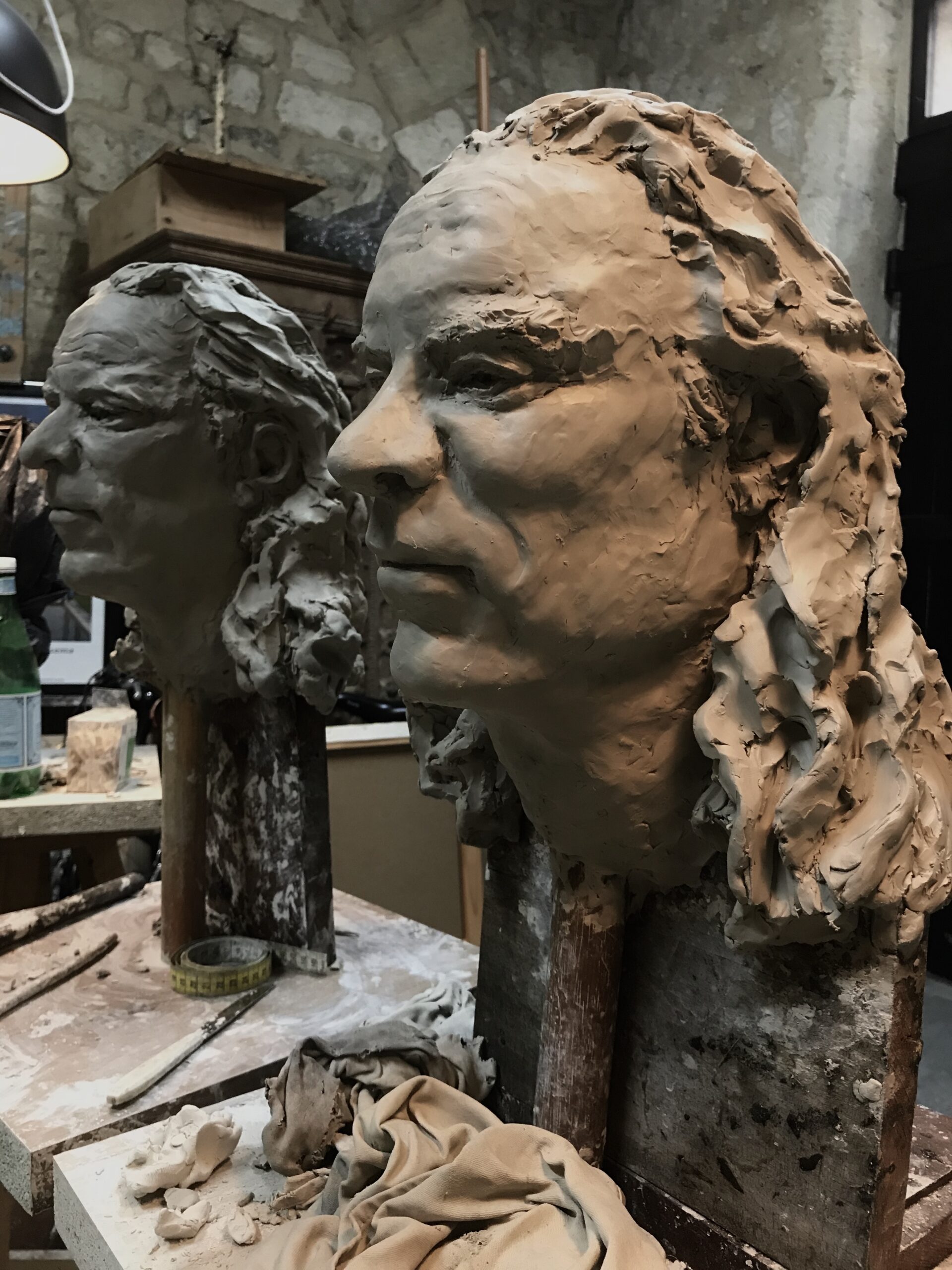
Simon, in the studio
Clay
Jaap, in the studio
Clay
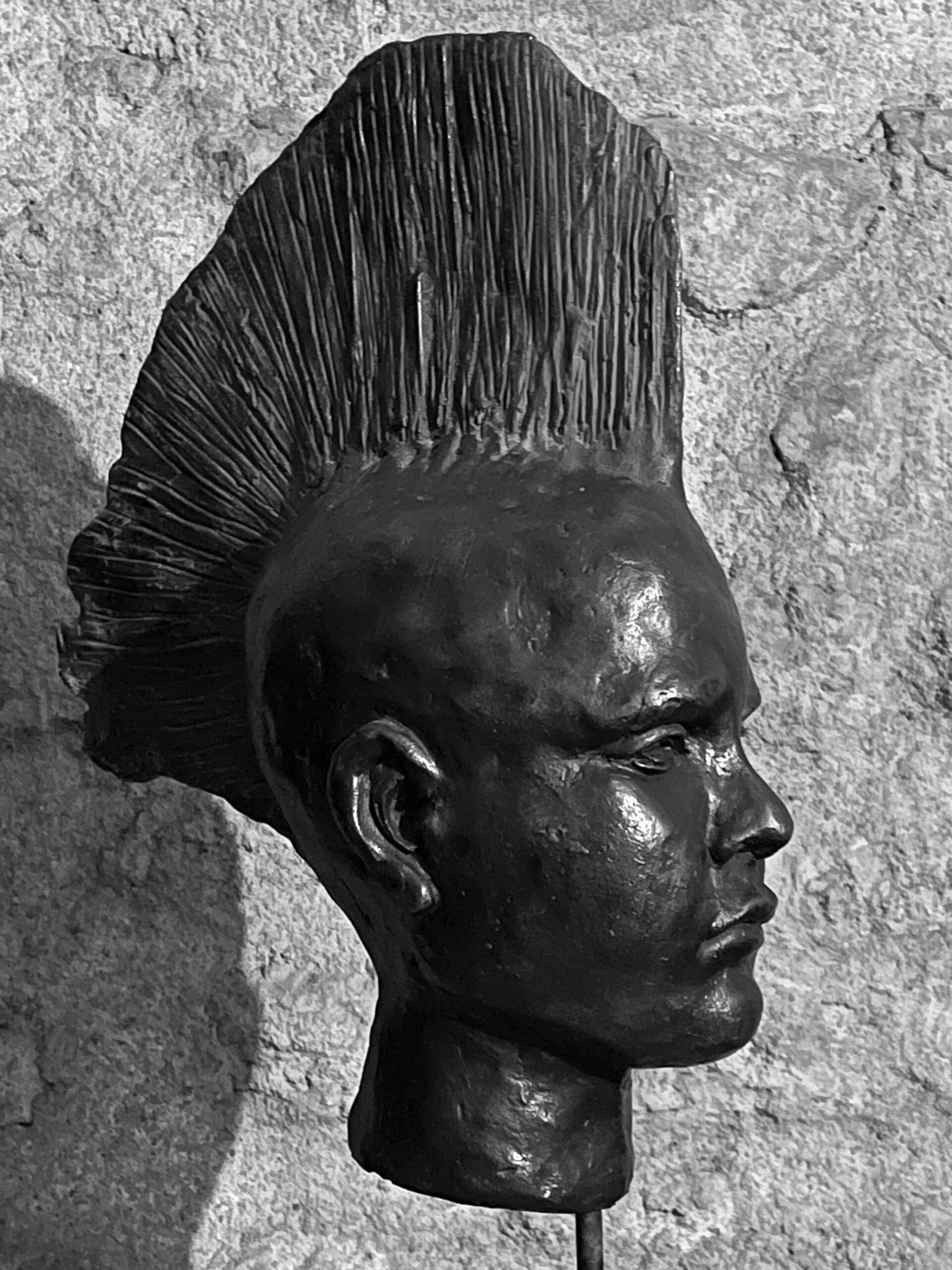
Simon, side view
Clay

Family Portrait

Bronze

Models

Beatrice
Bronze
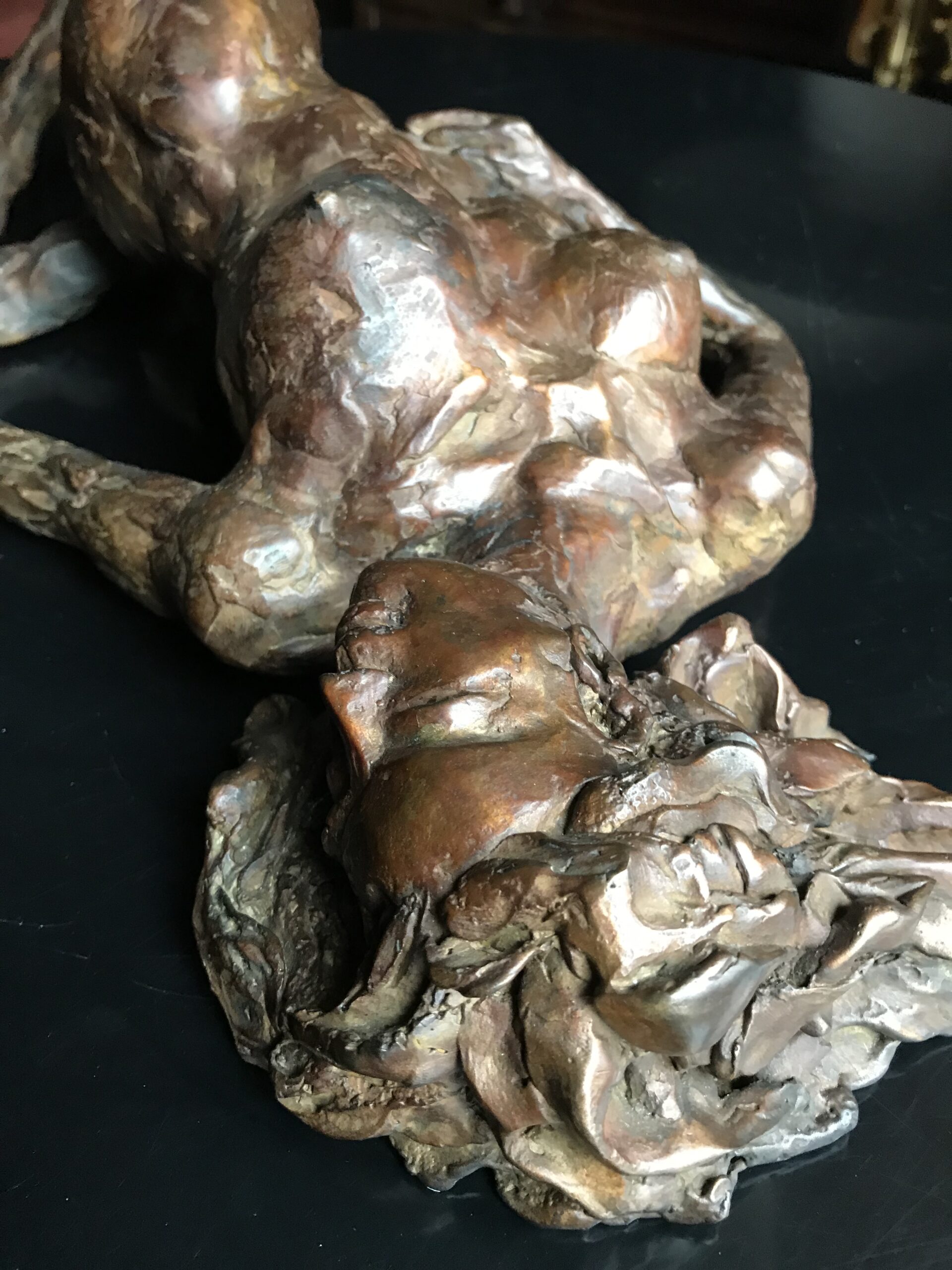
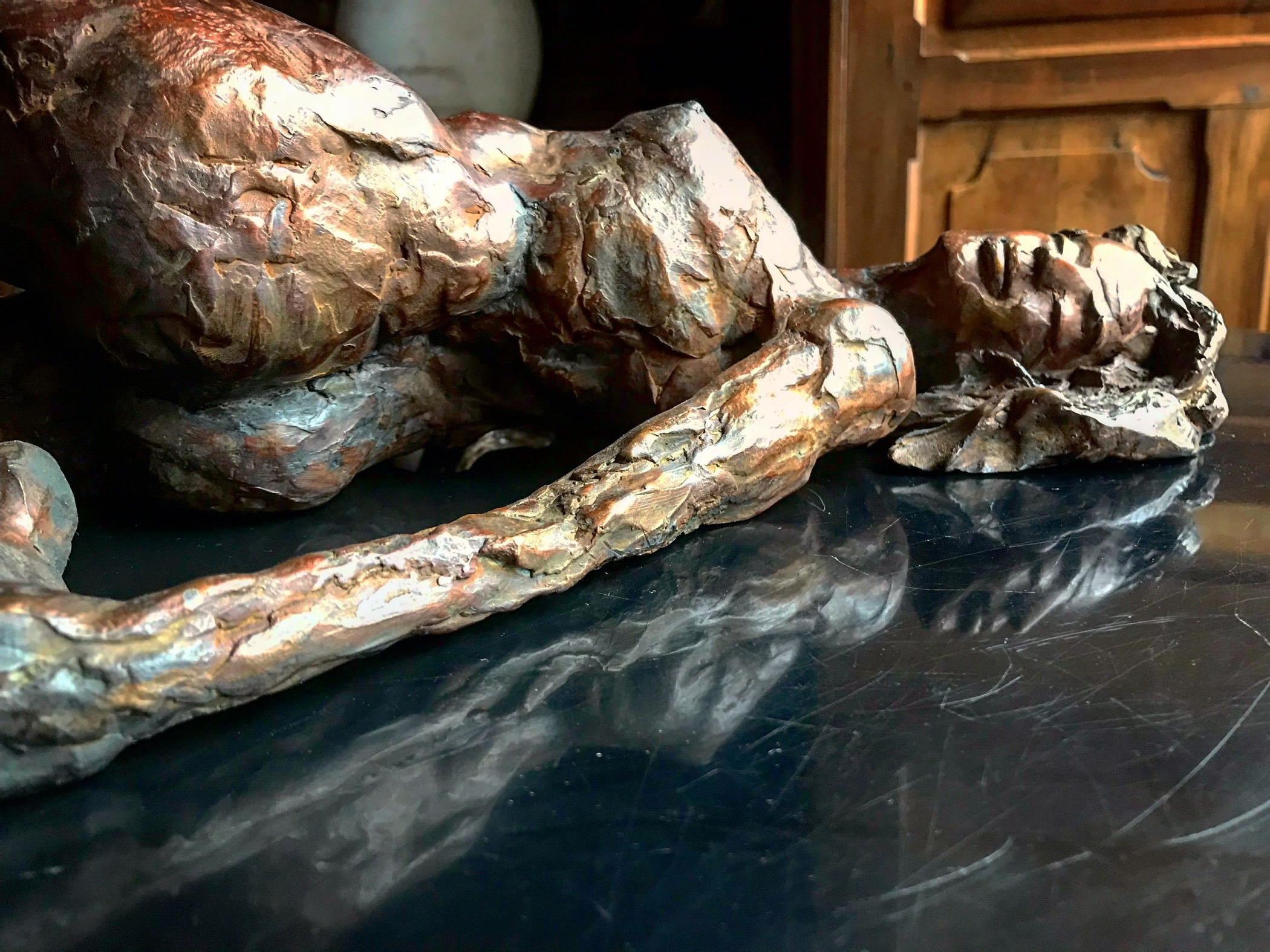
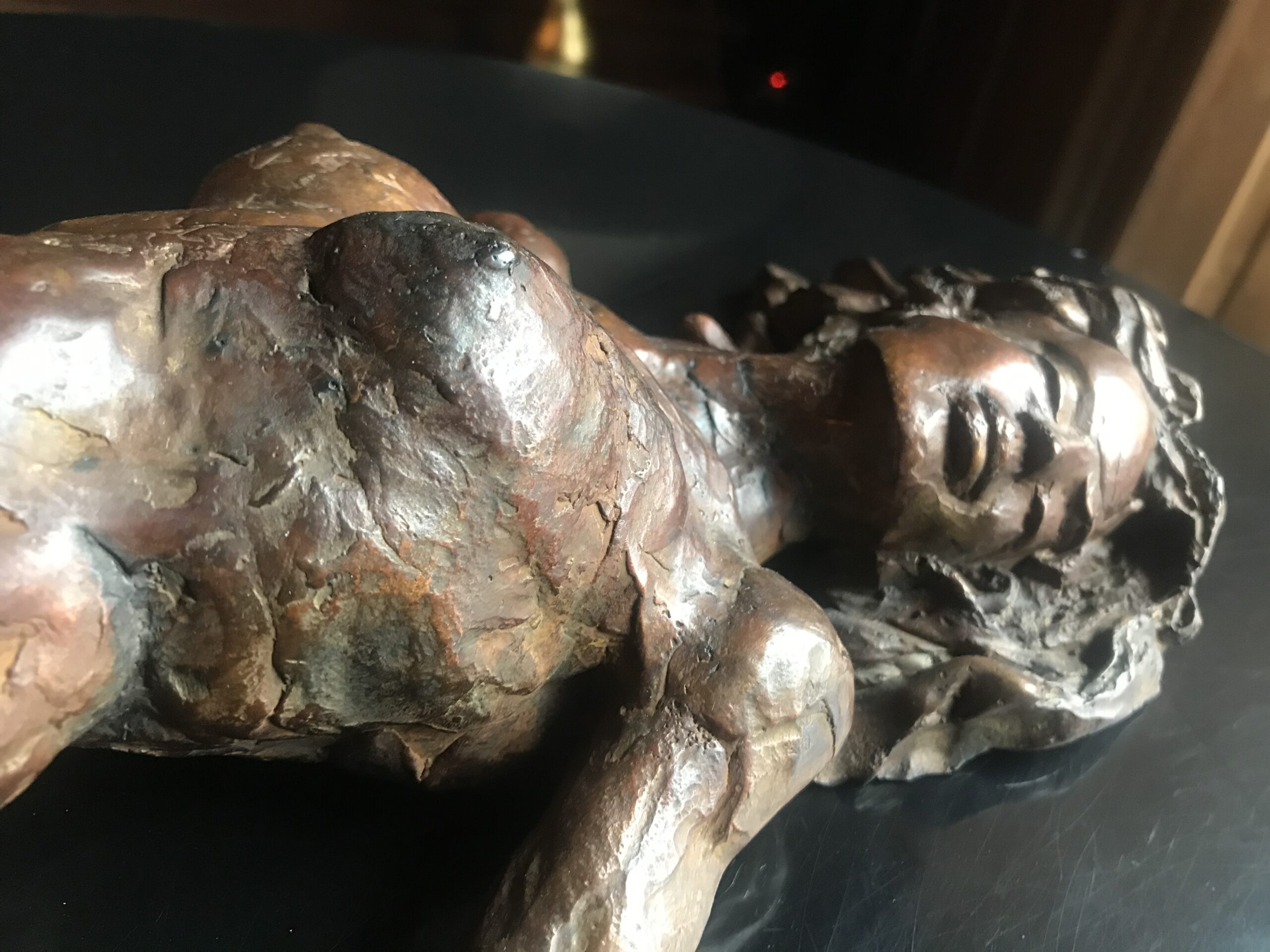
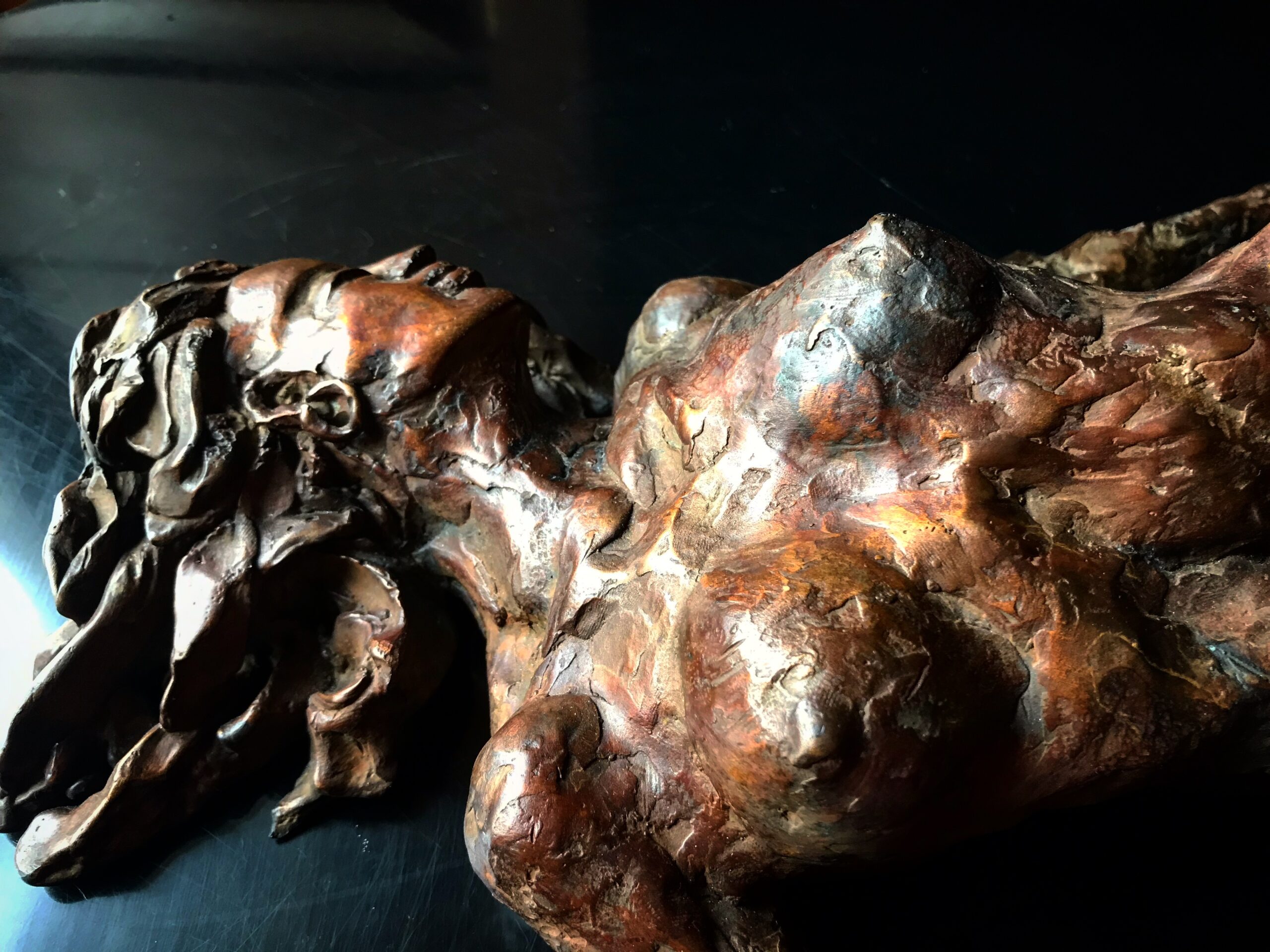
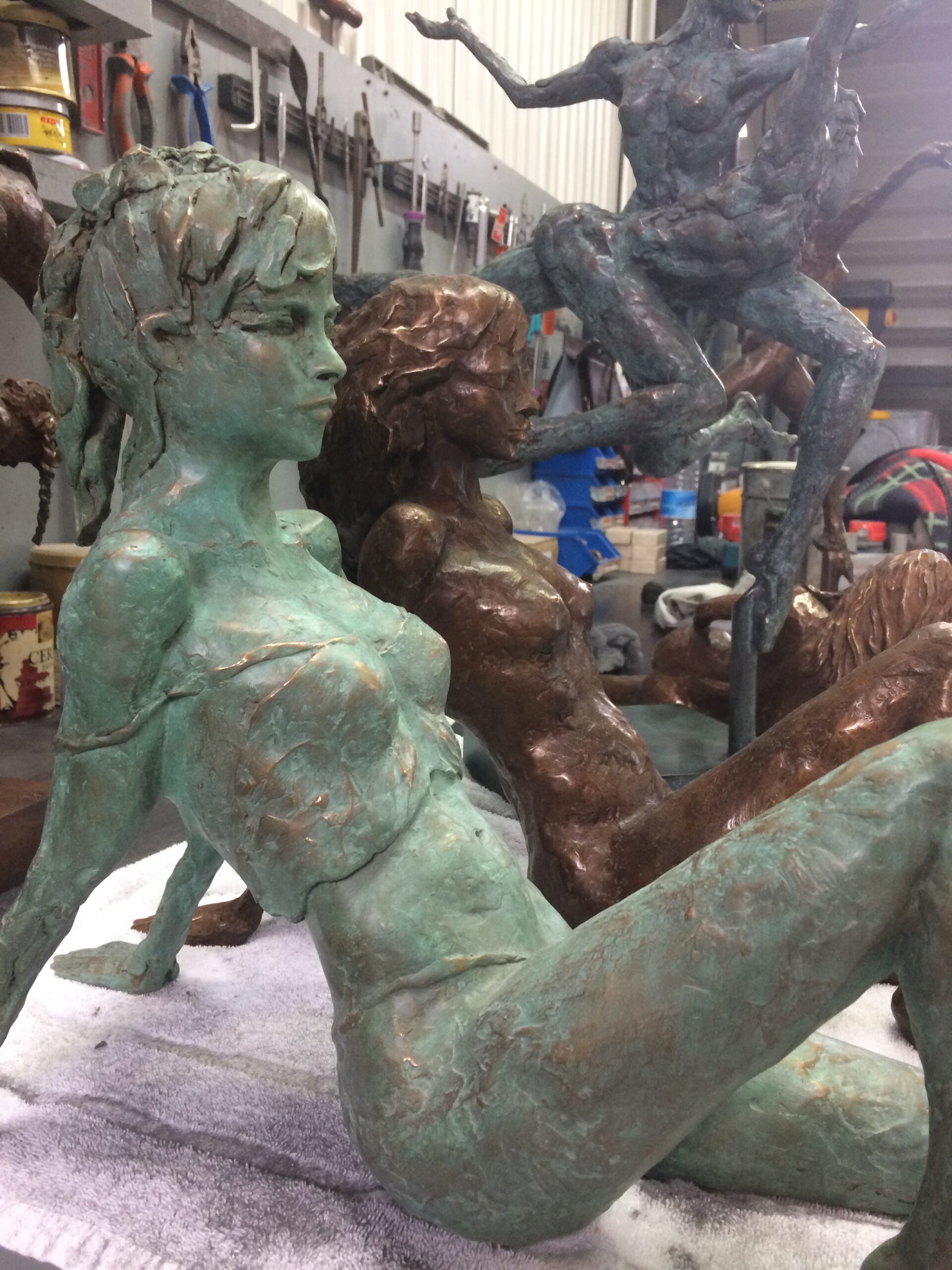
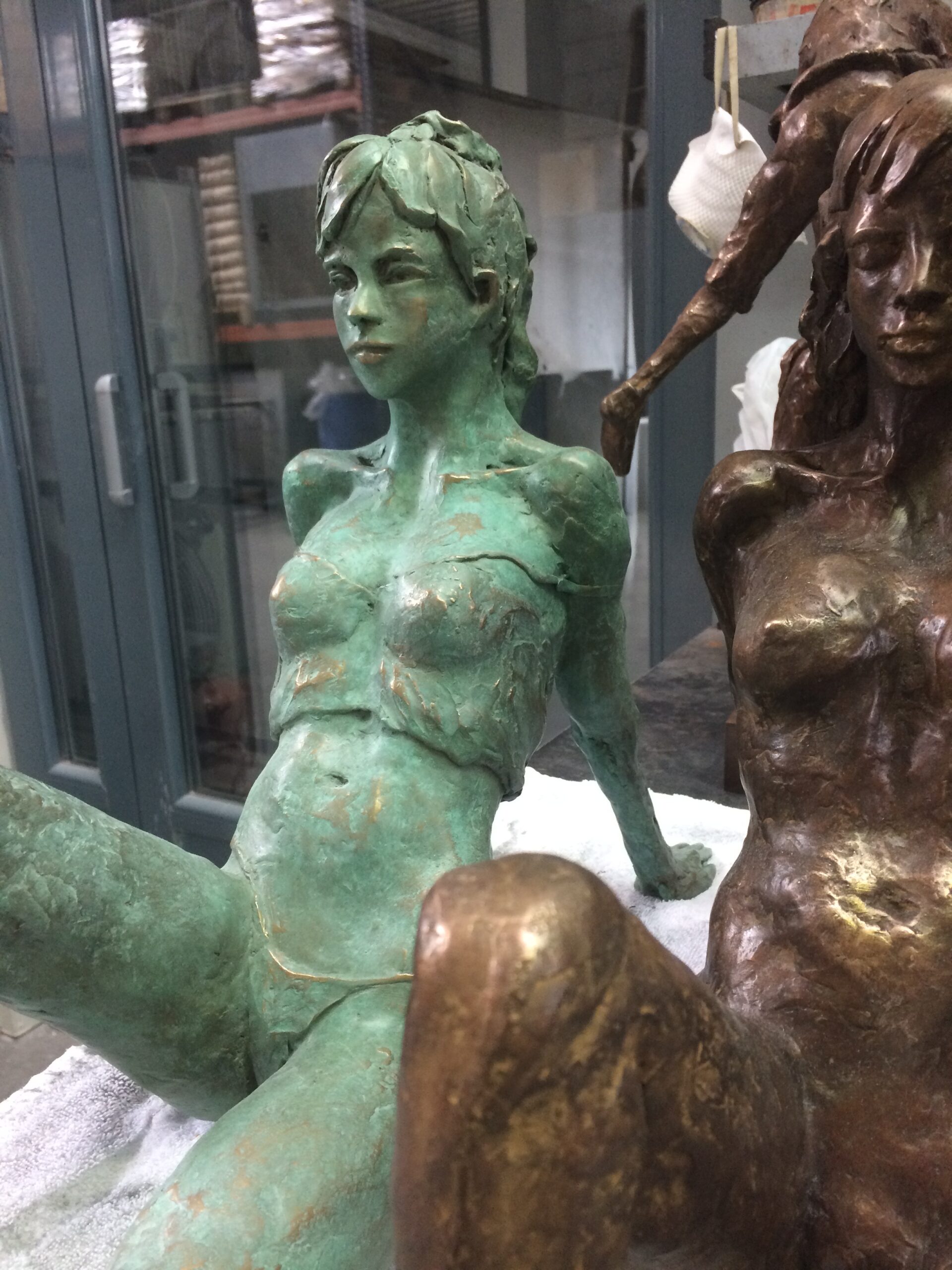
Overhead view
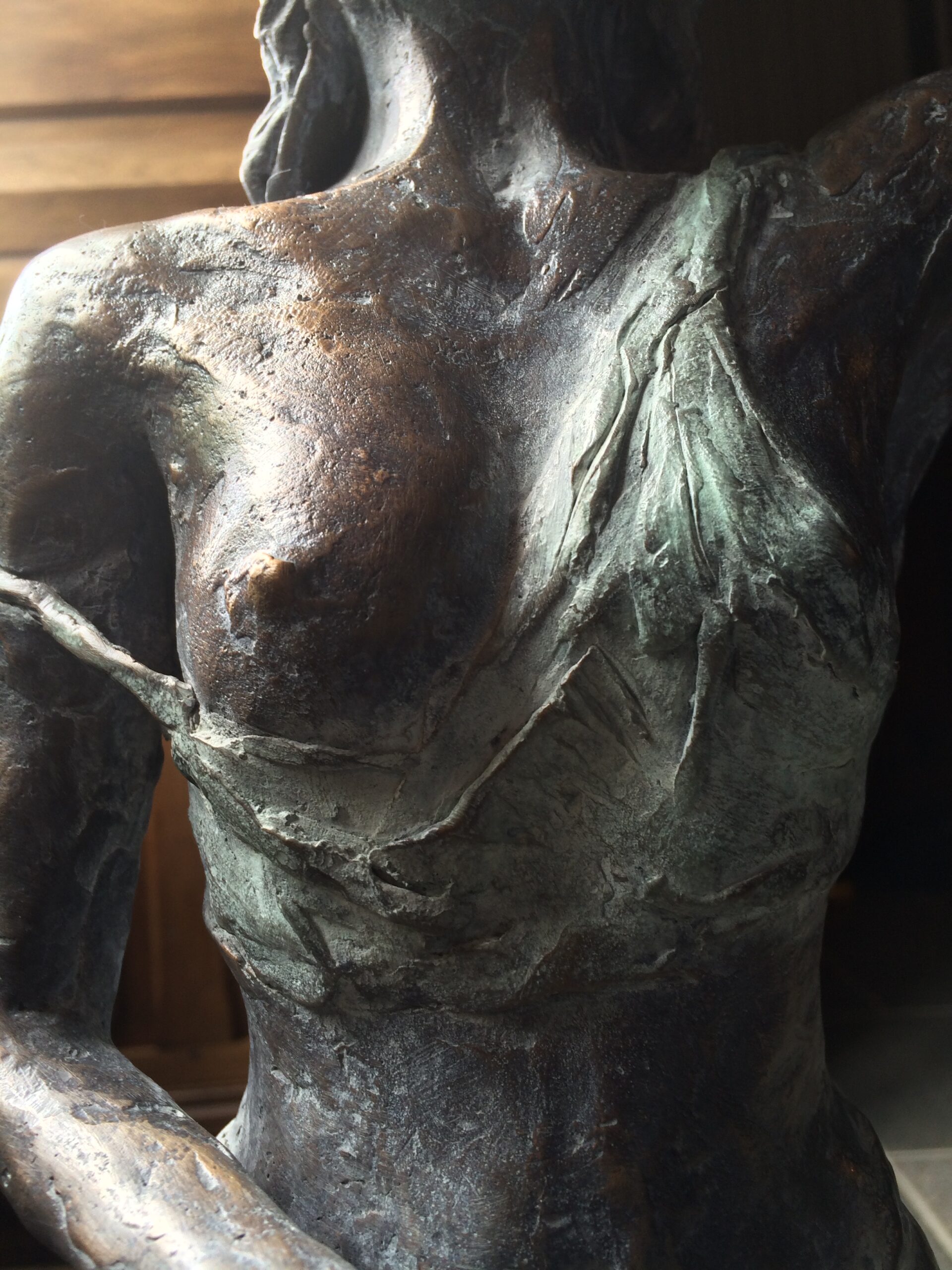
Detail view
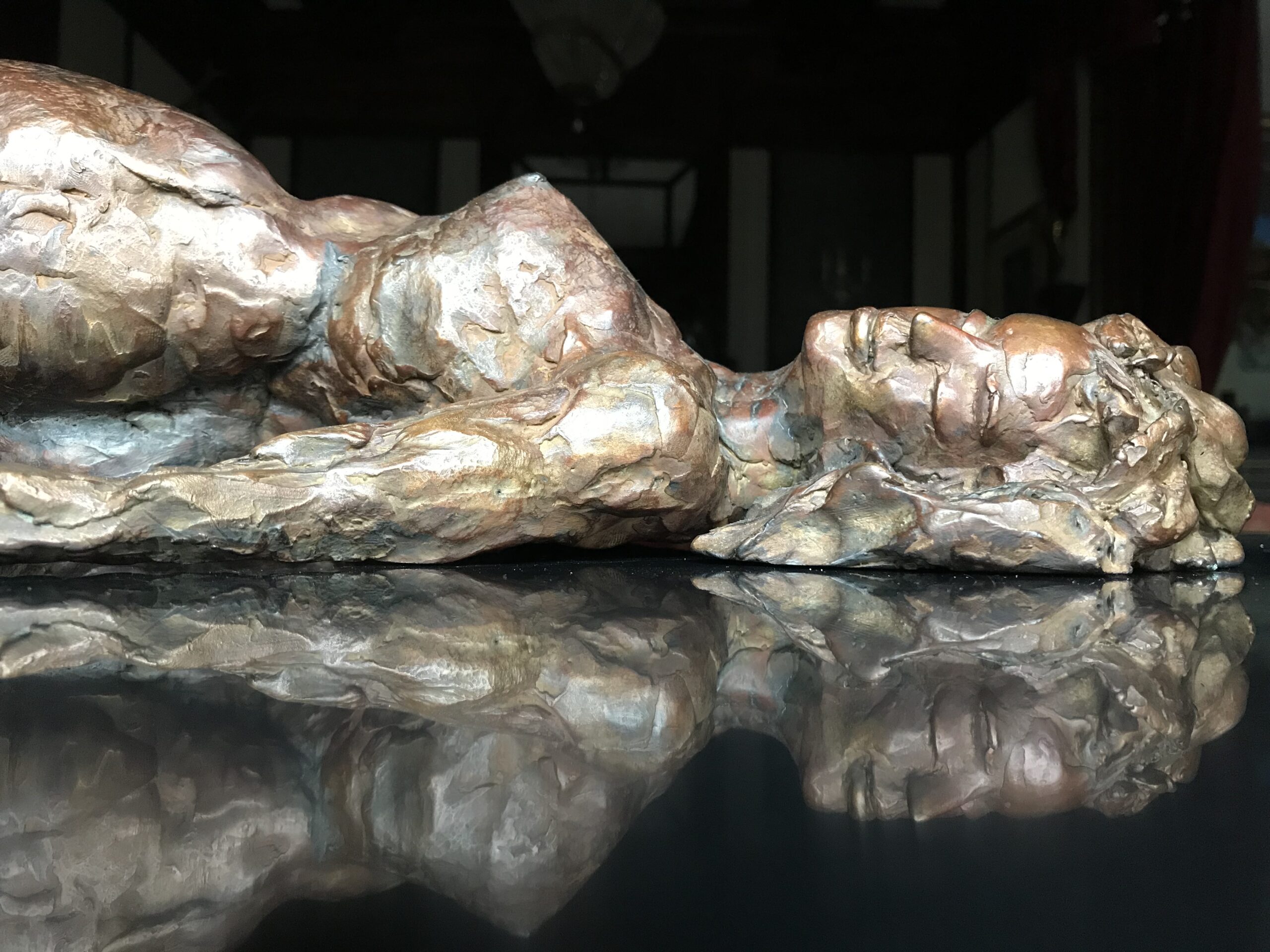
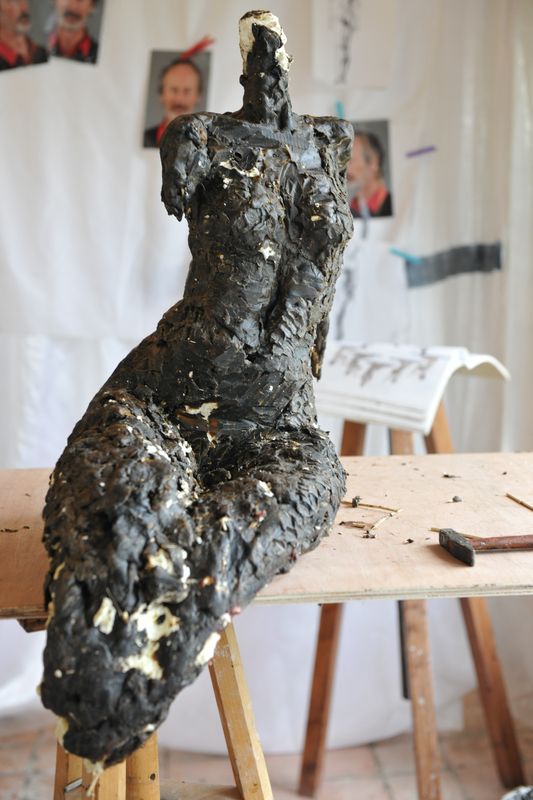
Reclining figure, side view
Emma, Torso
Bronze
Emma, in the foundry
Front view

Lifesize

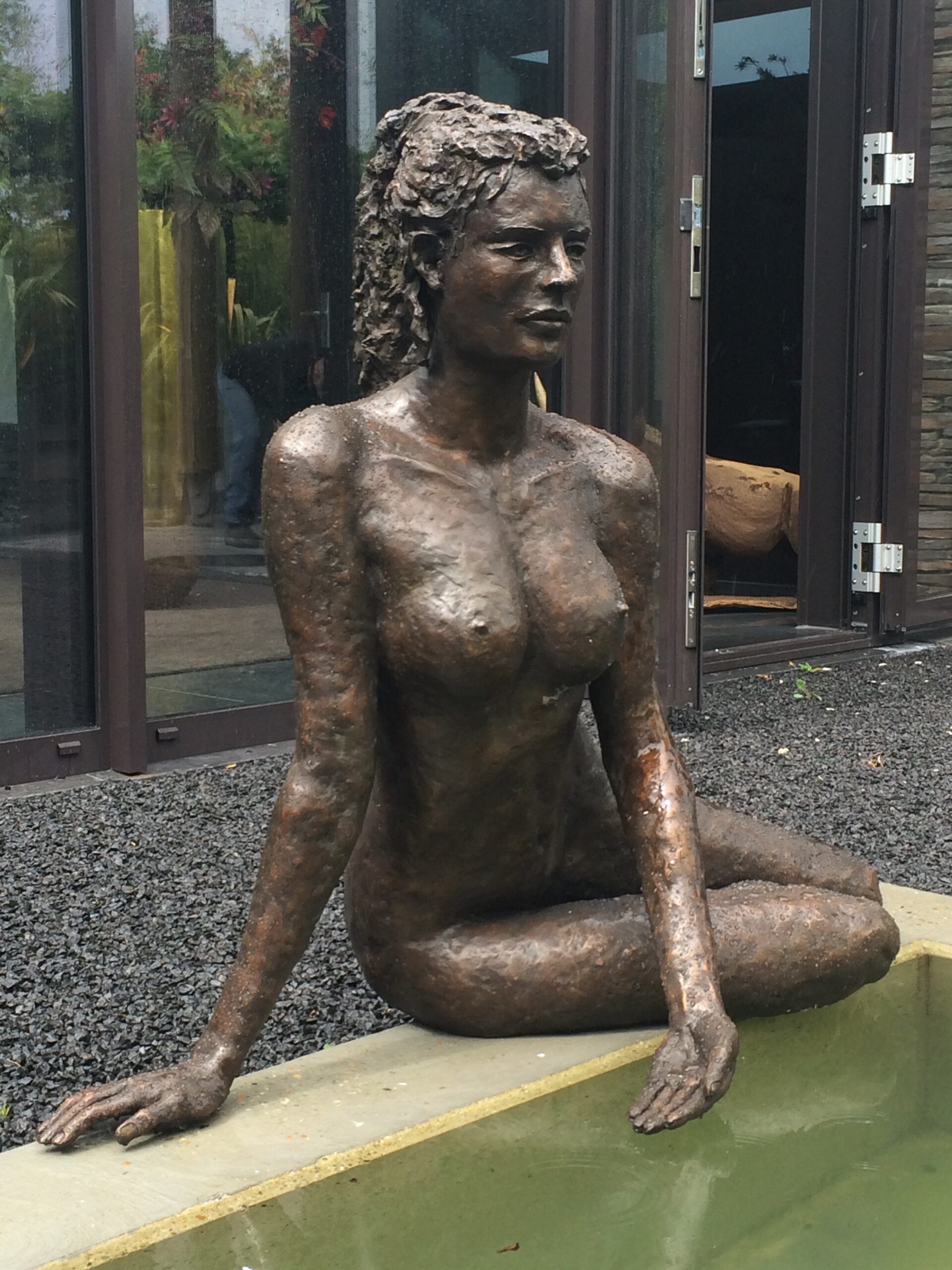
Emma, two poses
Bronze, lifesize
Emma, in the foundry
Rear view
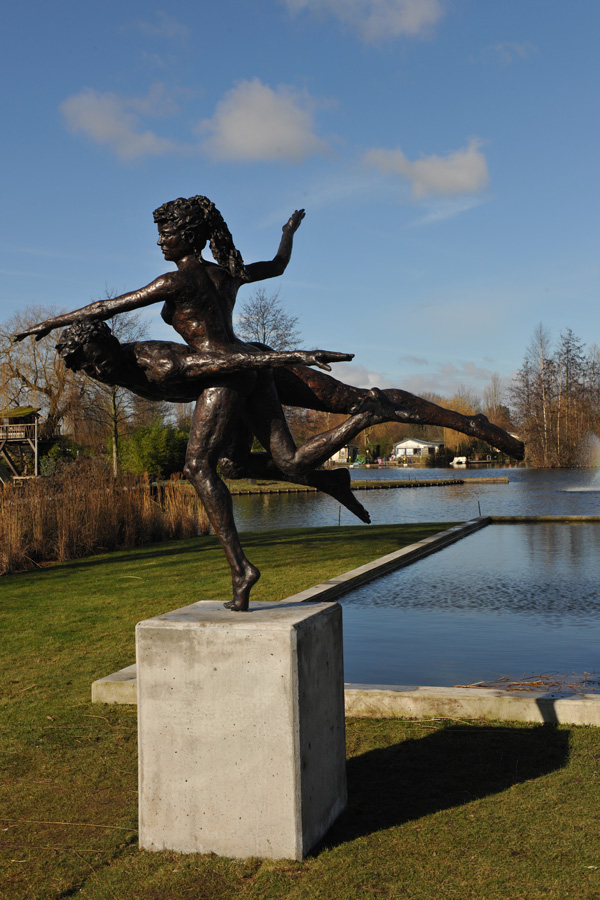
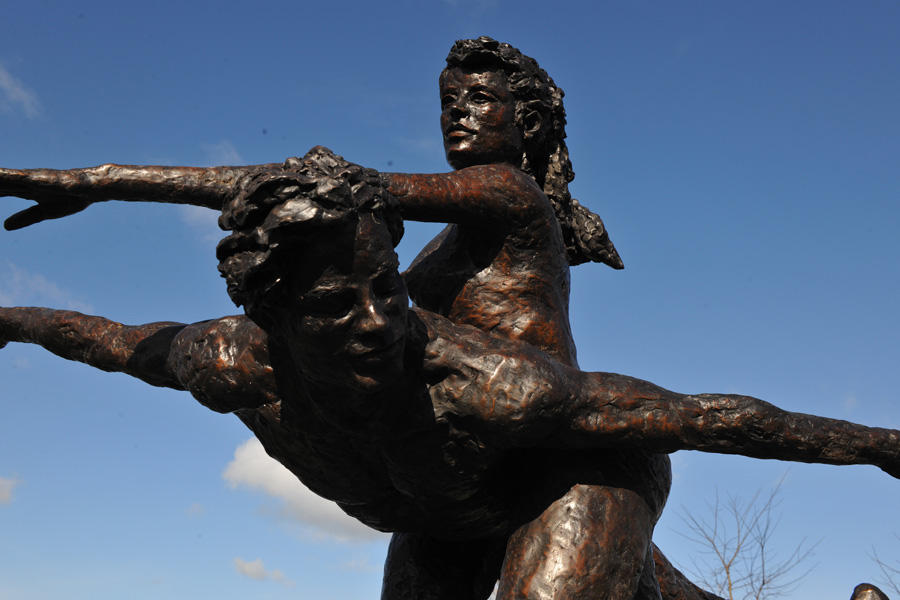
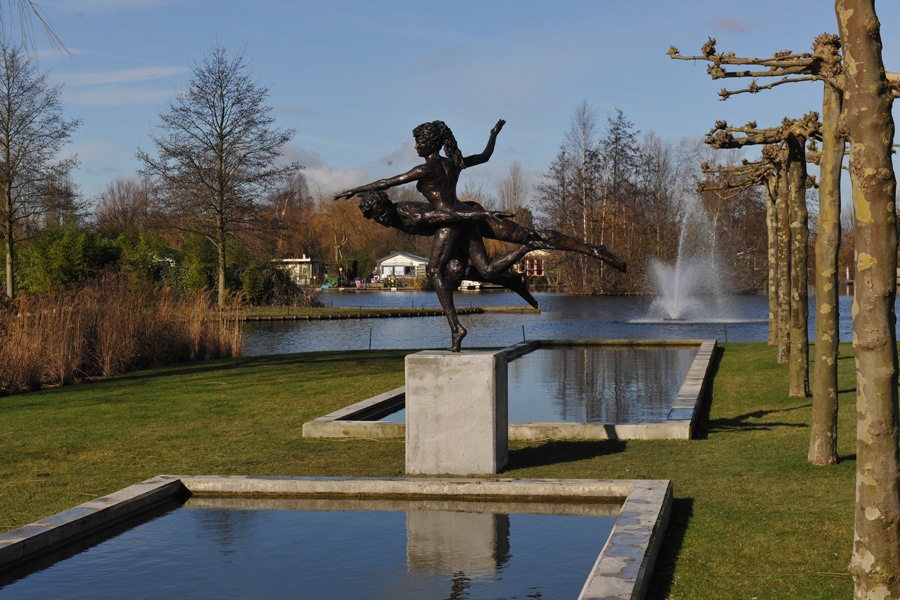
Dancers
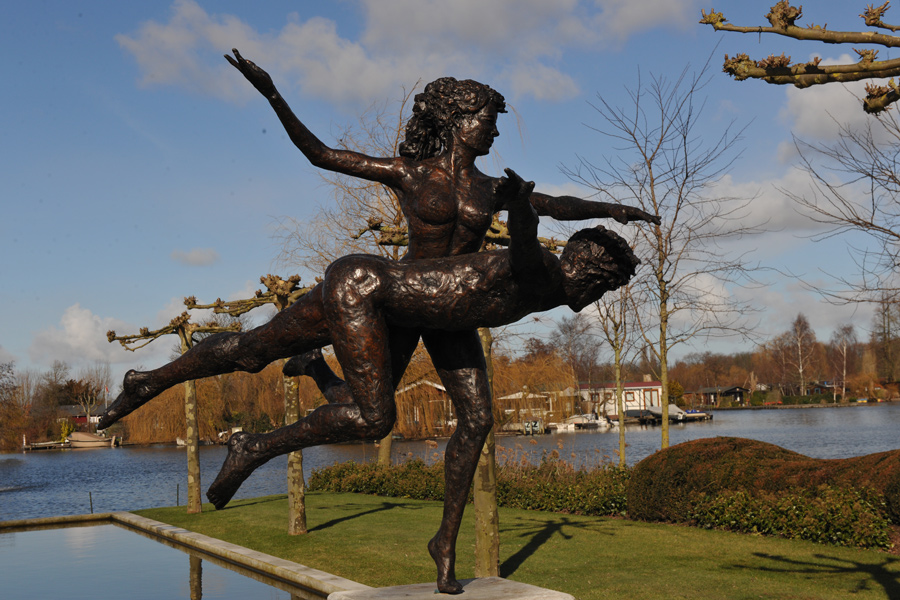
Bronze, lifesize
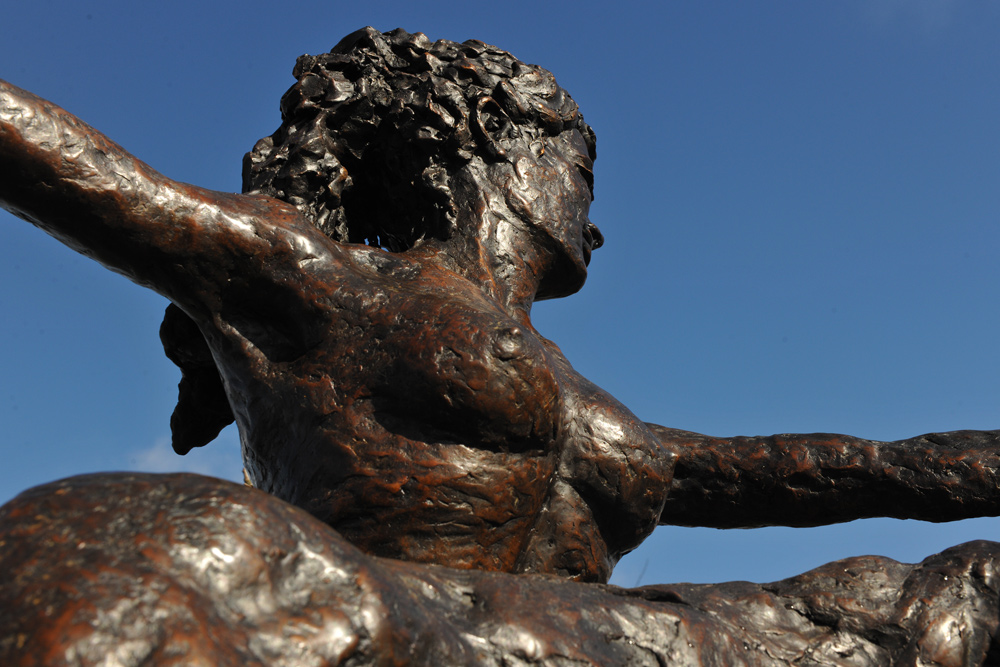
Detail
Detail
Installation view
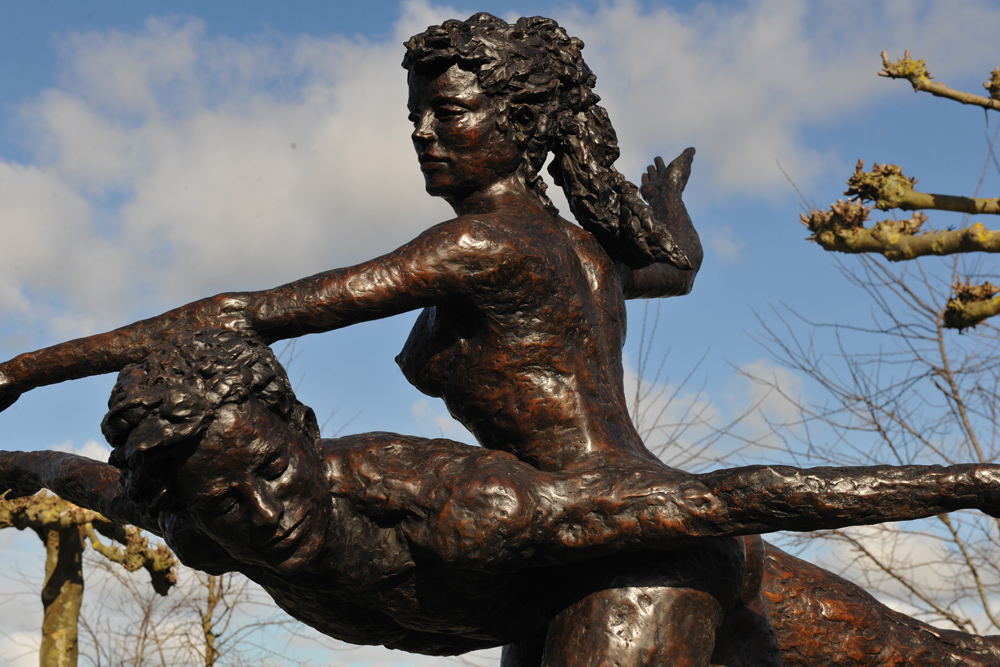
Close-up
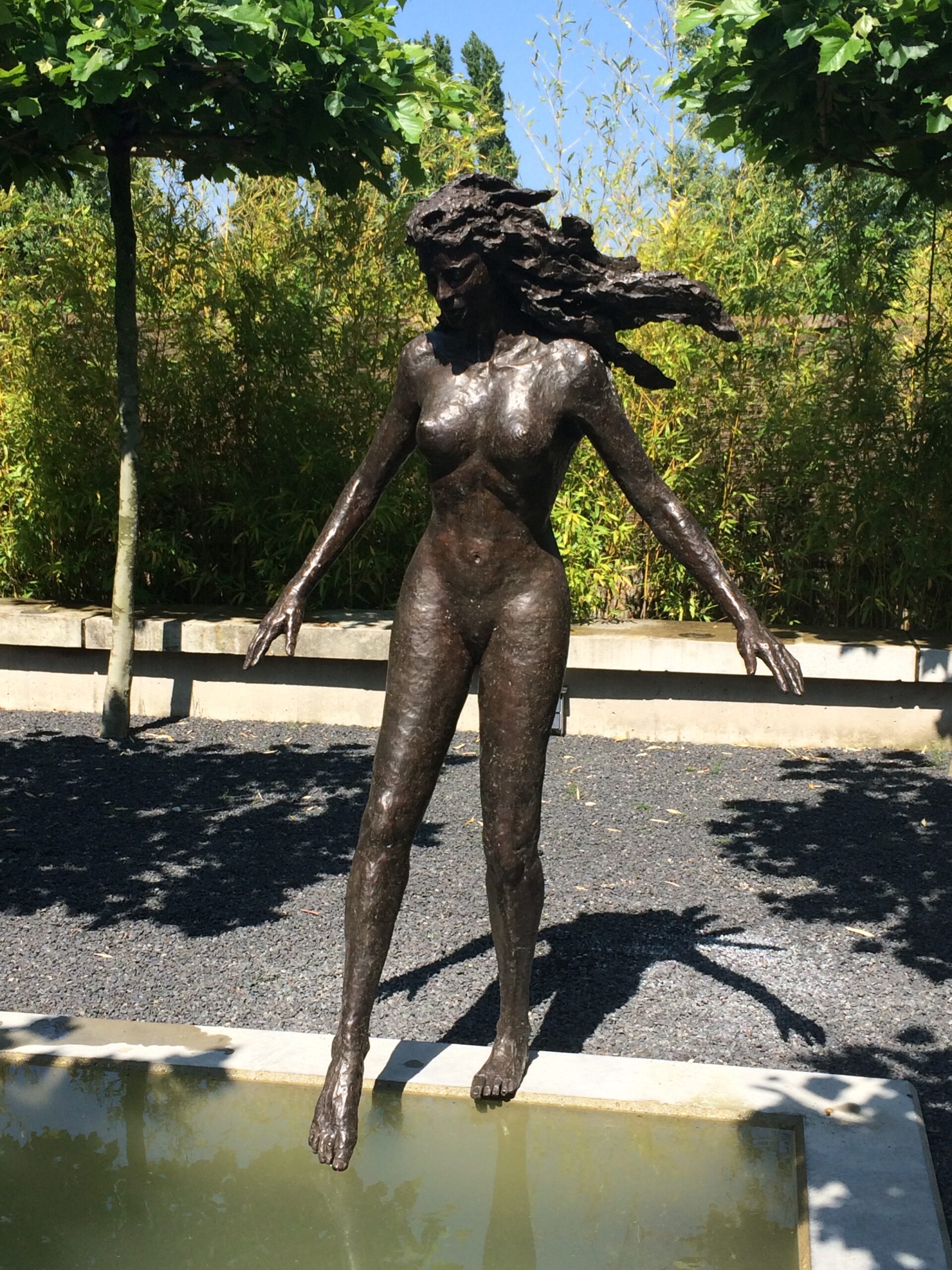
Garden view
Ranjana
Bronze, life-size
Front view
Room view
Close-up
Close-up
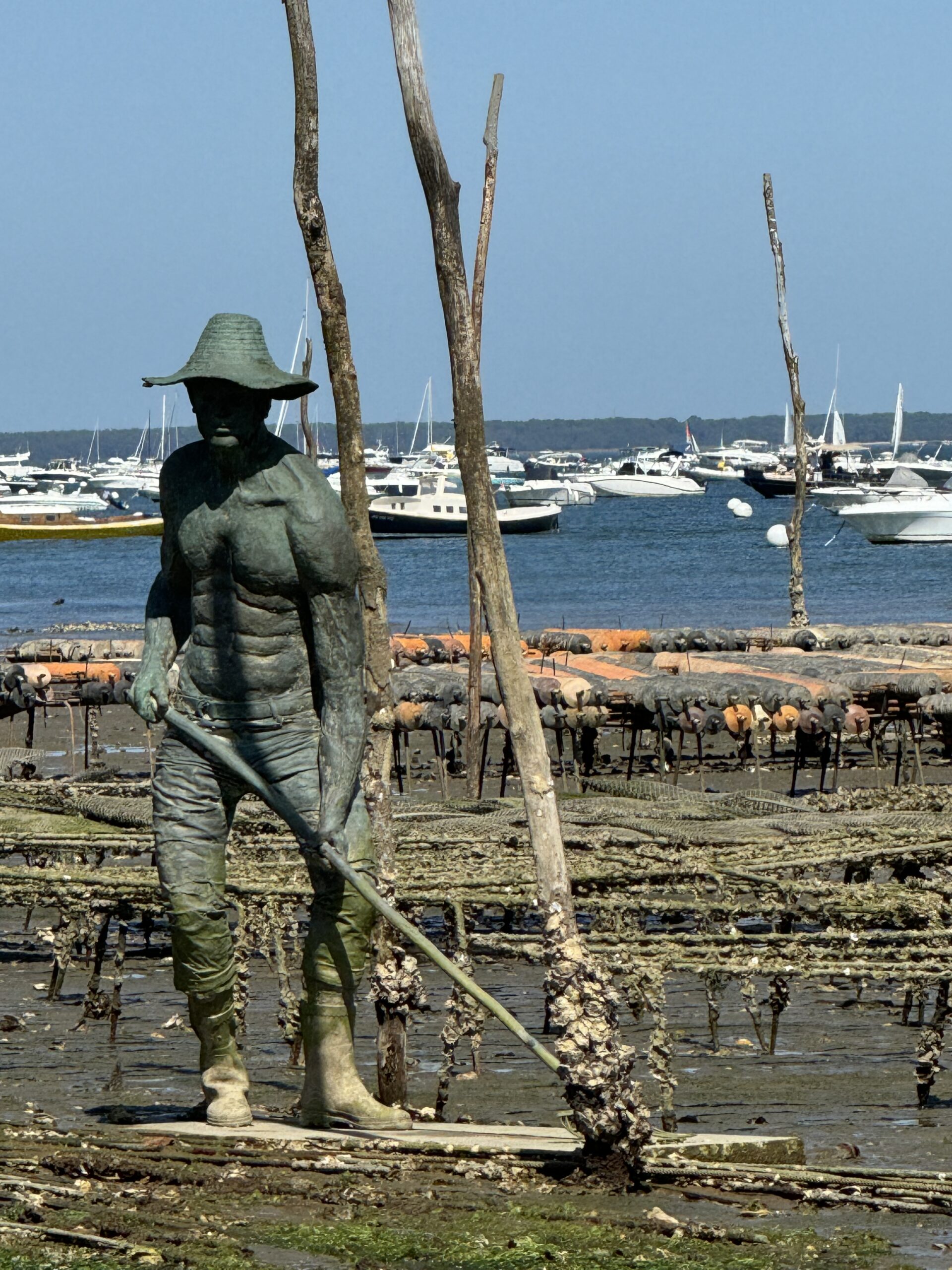
Le Parqueur du Canon
Bronze, life-size, Au Canon, Lège-Cap-Ferret

From Studio to Bronze

A cinematic glimpse inside the foundry: welding, waxing, surface-building, and patination. Each stage leaves a trace, joining, refining, and colouring the bronze until the form is set and the surface comes alive.

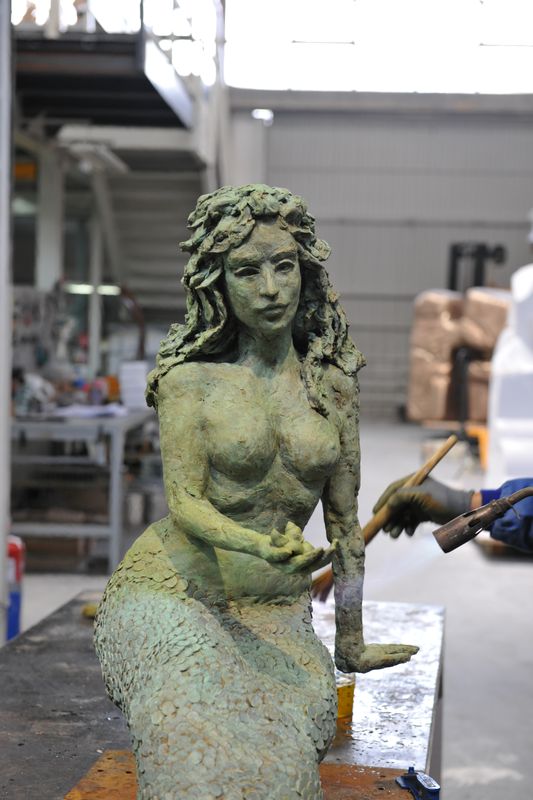
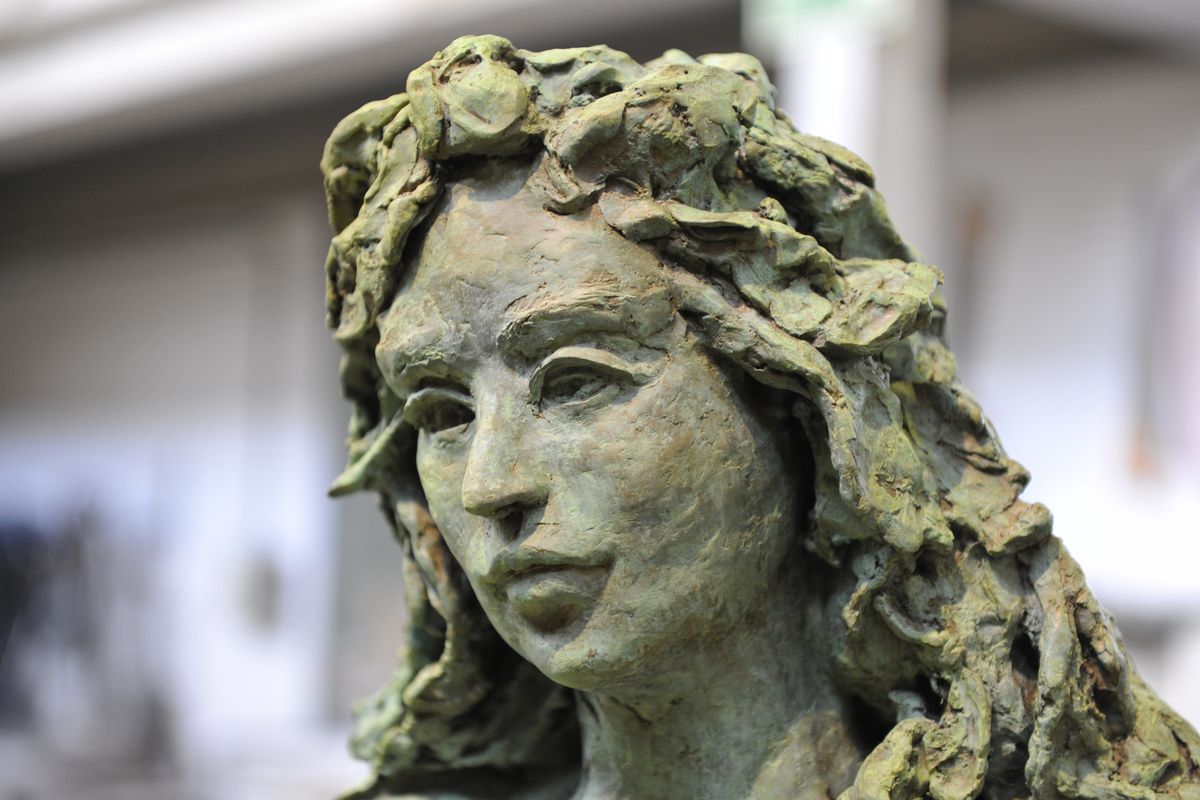
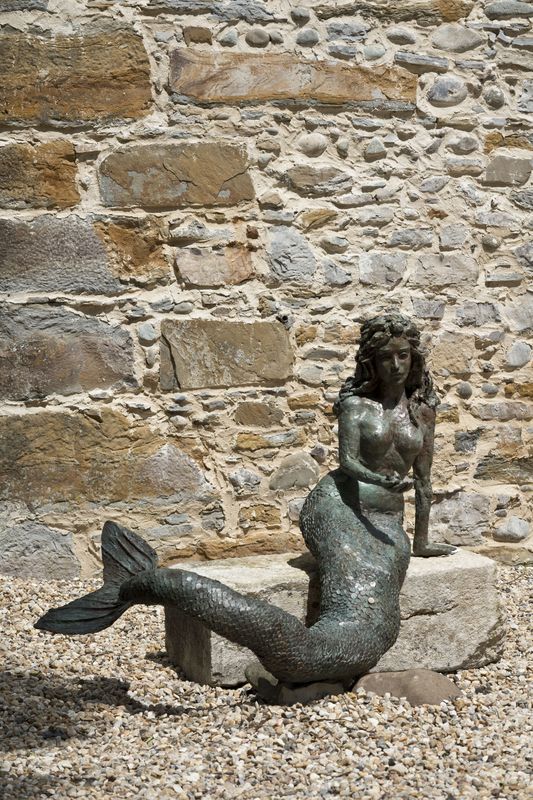
The Making of Mermaid

From clay and wax to patinated bronze
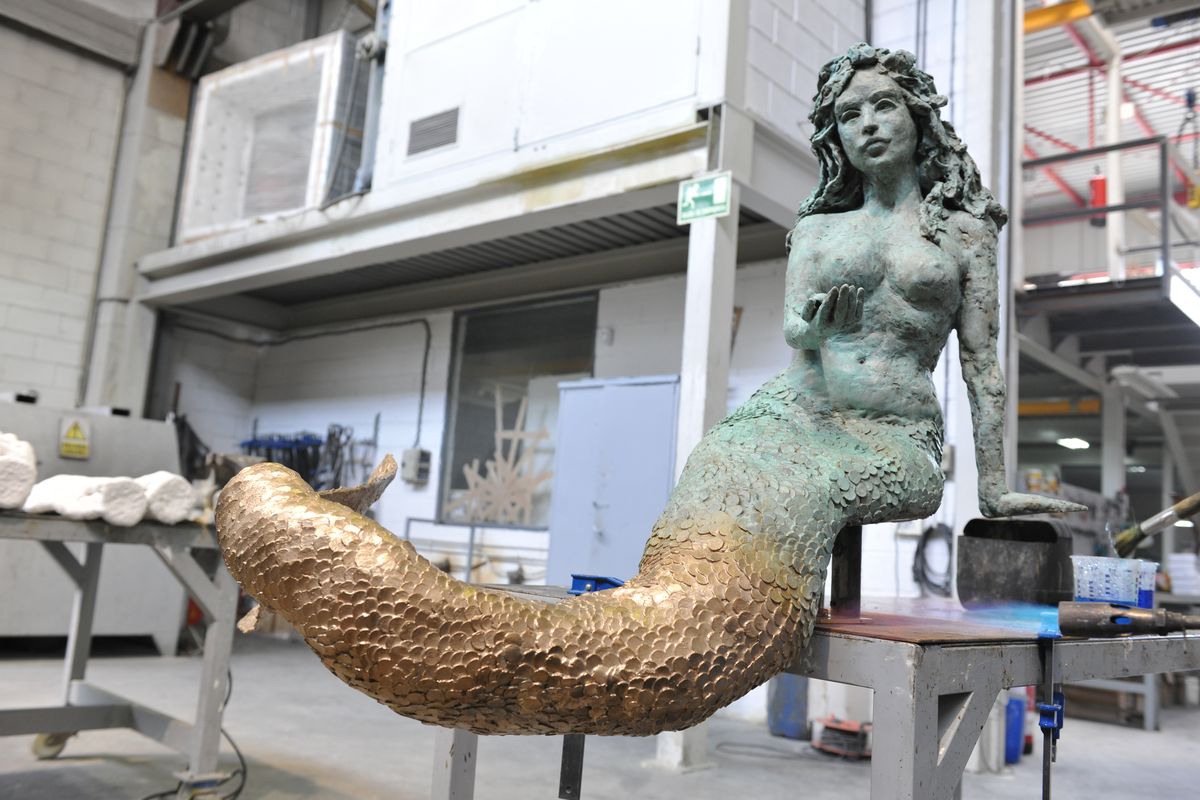
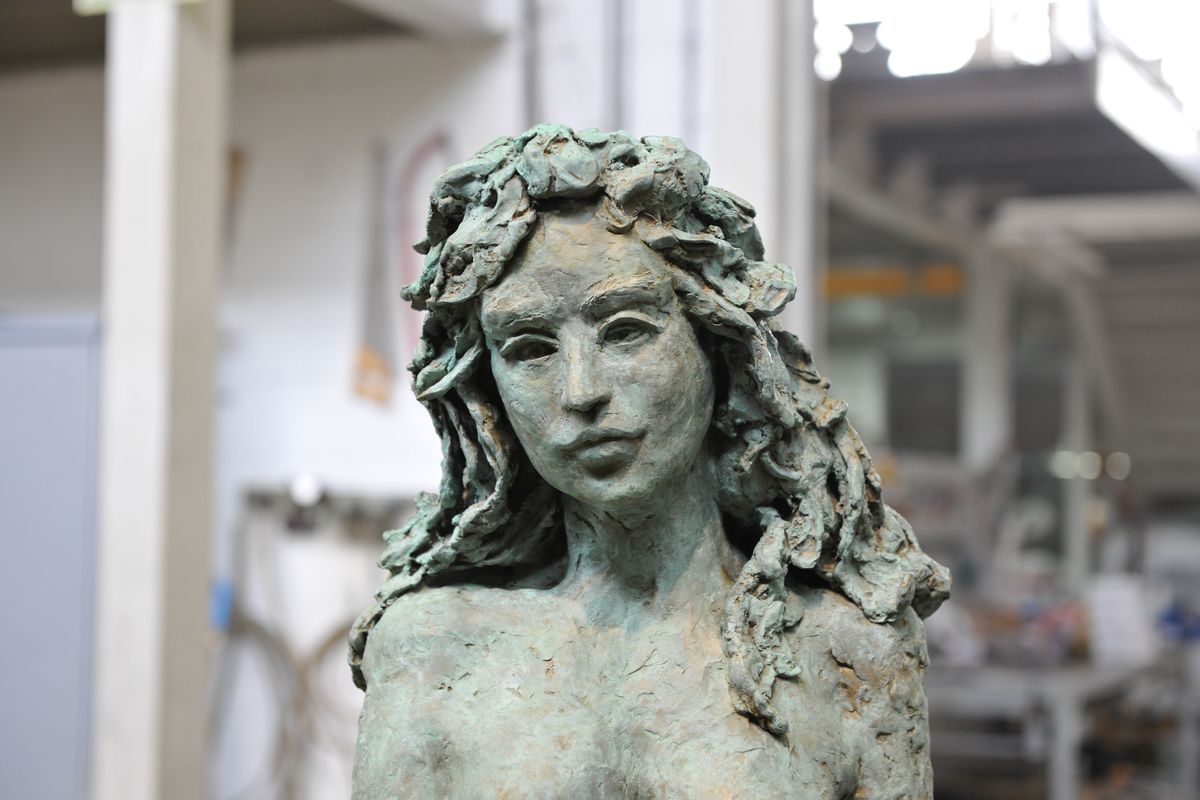
This series of photographs documents the making of Mermaid, a commissioned sculpture created for a pond. It follows the work from the first stages in the studio to the final bronze, showing how the sculpture develops through modelling, mould making, casting, assembly, and patination. Both in the studio and in the foundry, the process is carefully carried out by hand.

Modelling the figure

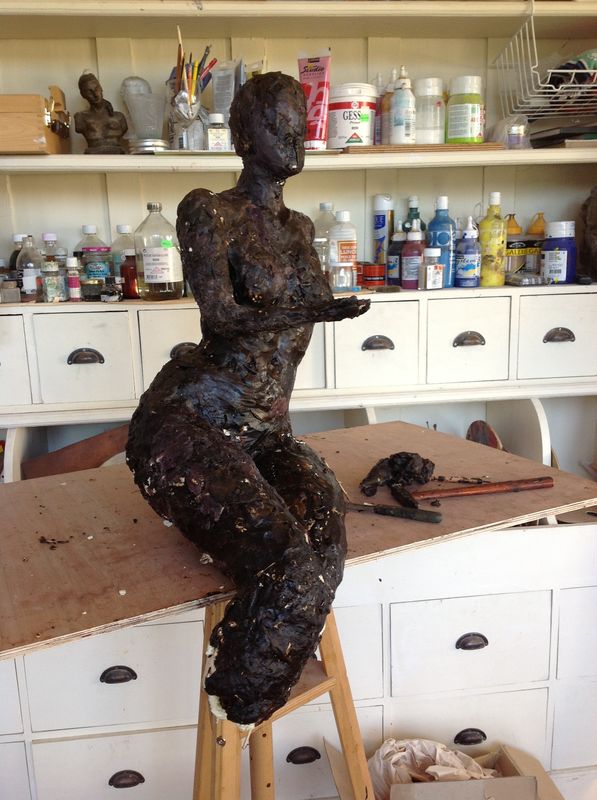
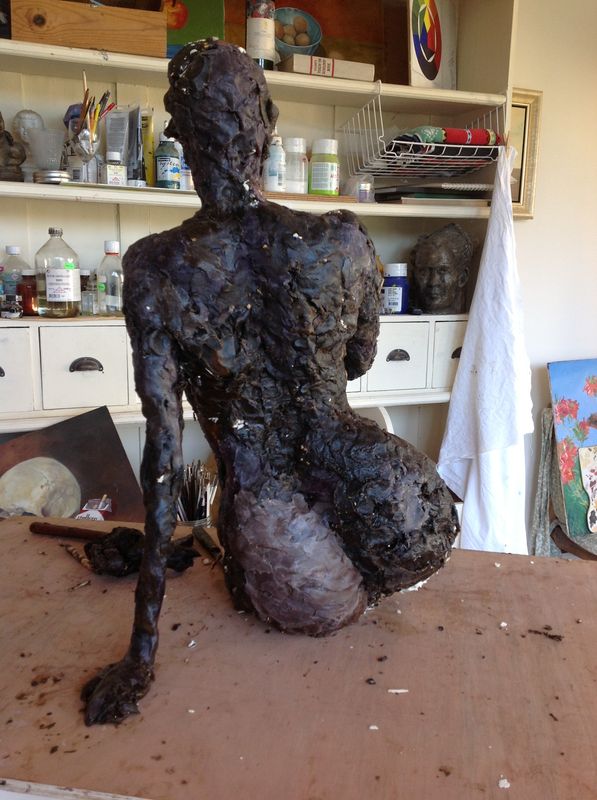
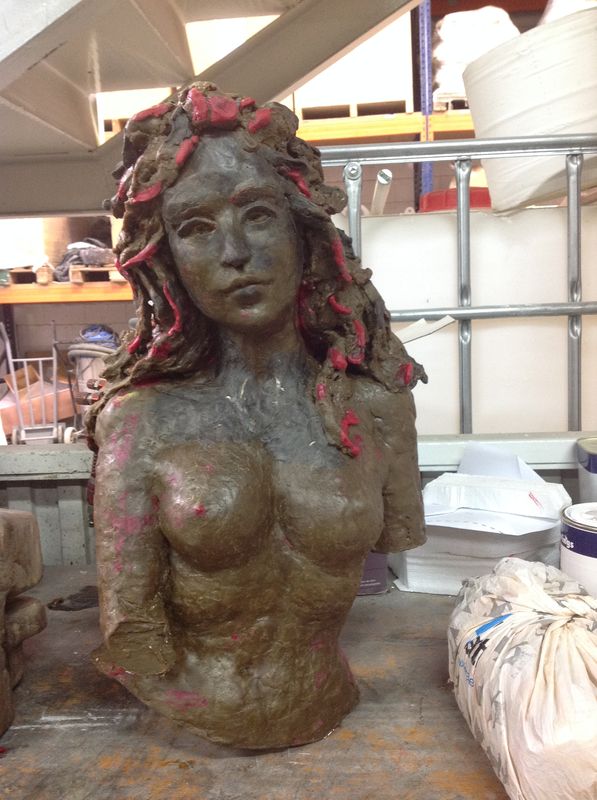
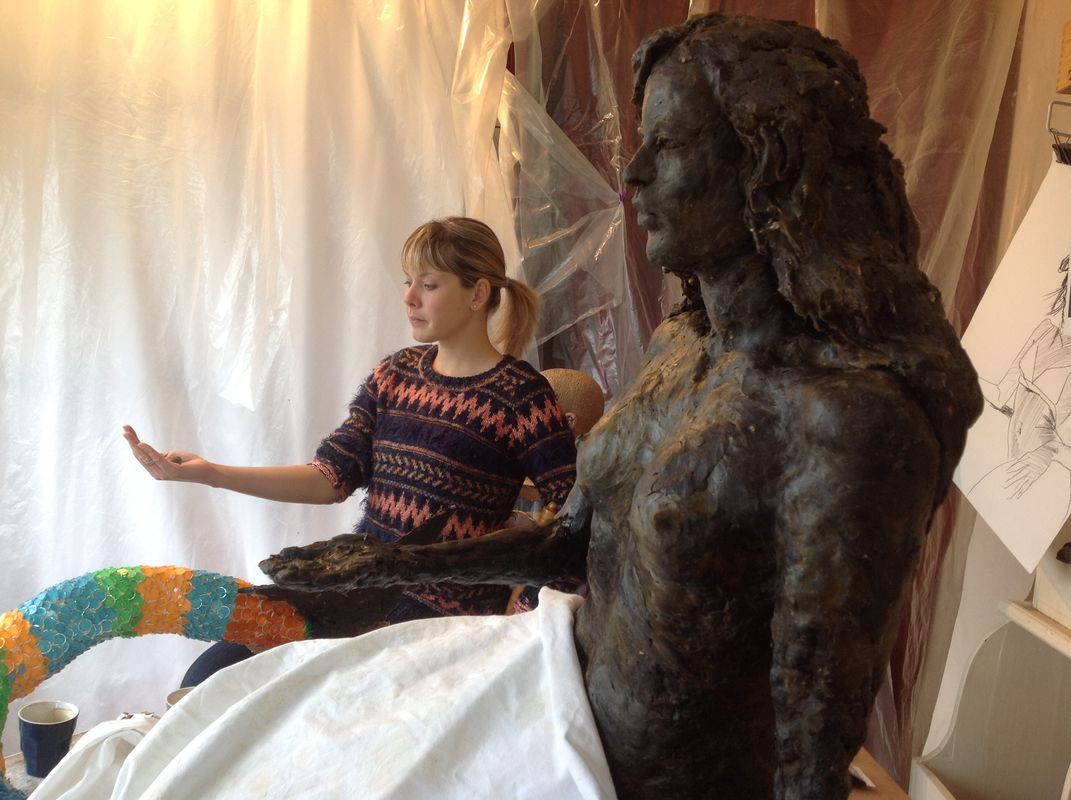
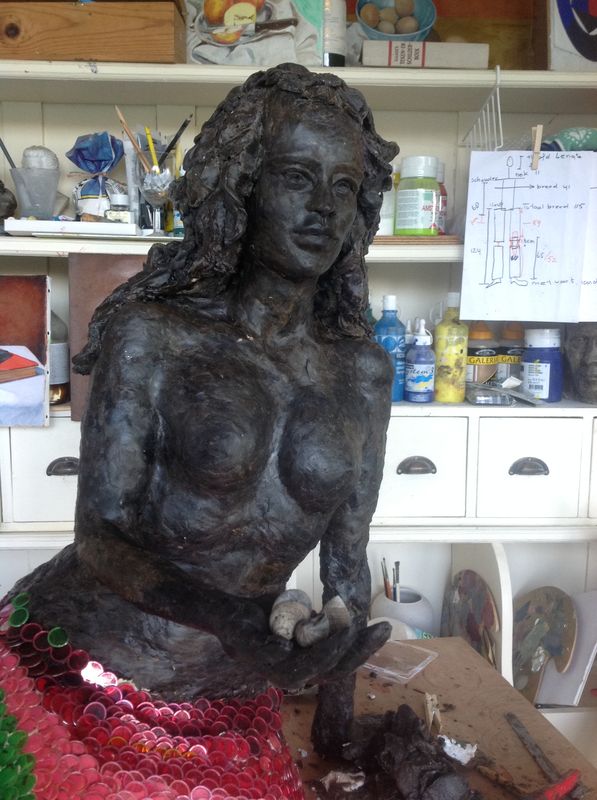
The sculpture begins as an original model, in which the overall form, movement, and proportions of the mermaid are developed. At this stage, the relationship between the body, the tail, and the gesture of the figure is gradually refined.
Mermaid - Christine Wiersema
Early modelling in clay and wax
Mermaid - Christine Wiersema

Building the Structure

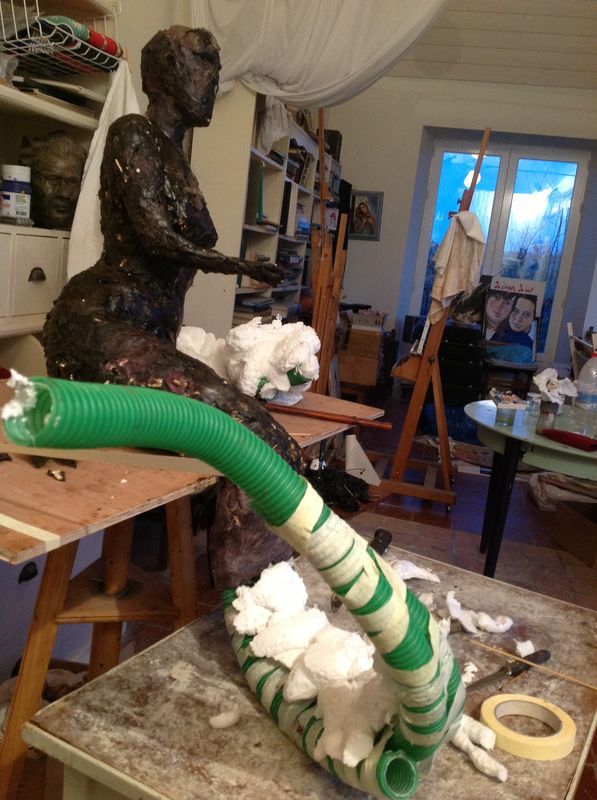
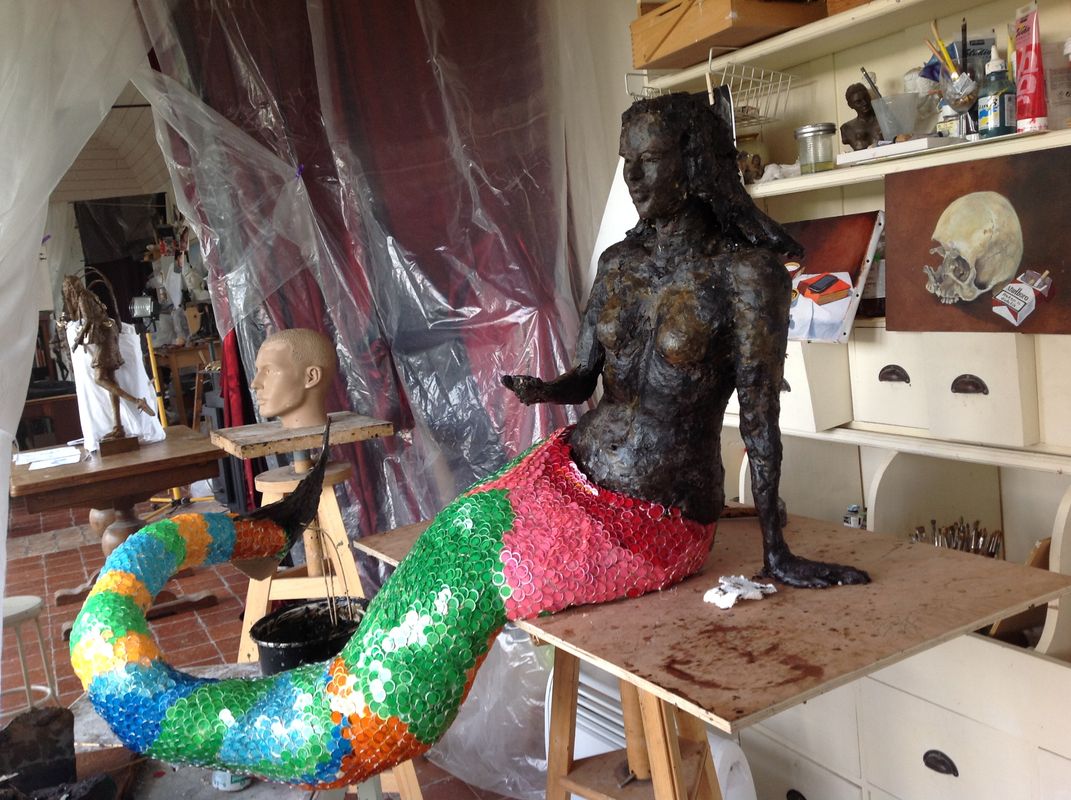
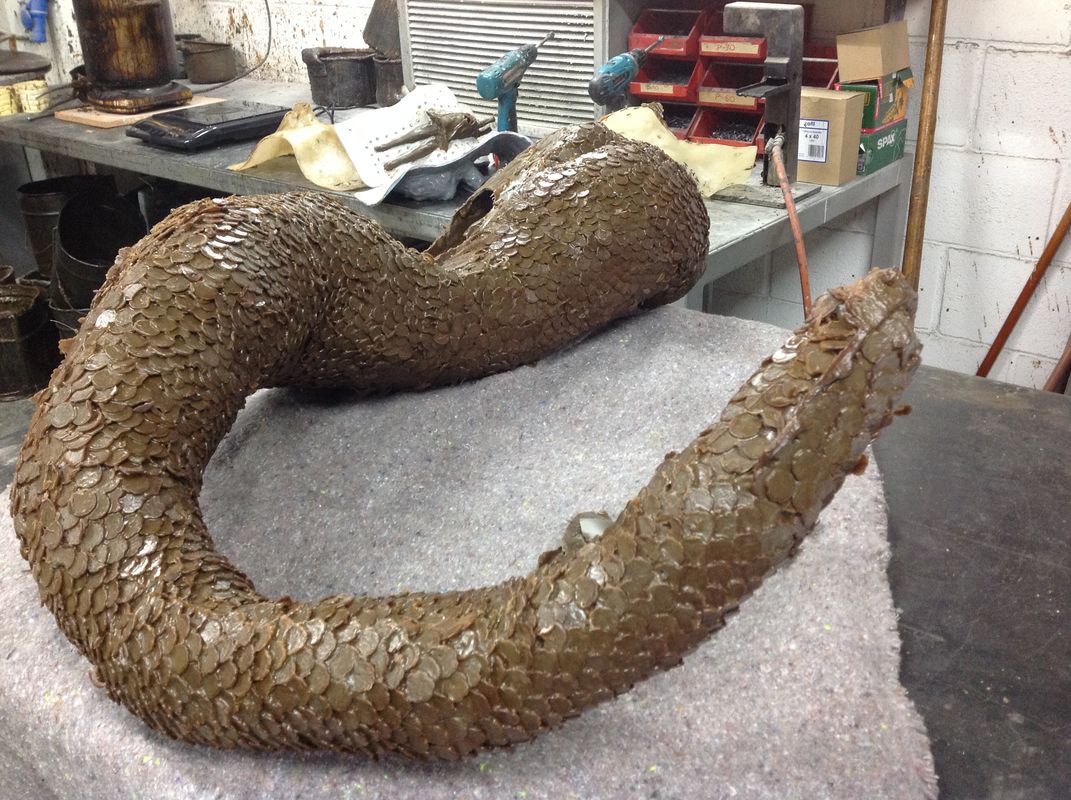
To create the extended form of the tail, a lightweight internal structure is built using large plastic tubes normally used for electrical installations. These are assembled to form the underlying shape, then wrapped with cotton and bandage to build up the volume. A layer of glue is applied to harden the structure and prepare it for further modelling.
Mermaid - Christine Wiersema
Building the tail with a lightweight internal structure
Mermaid - Christine Wiersema
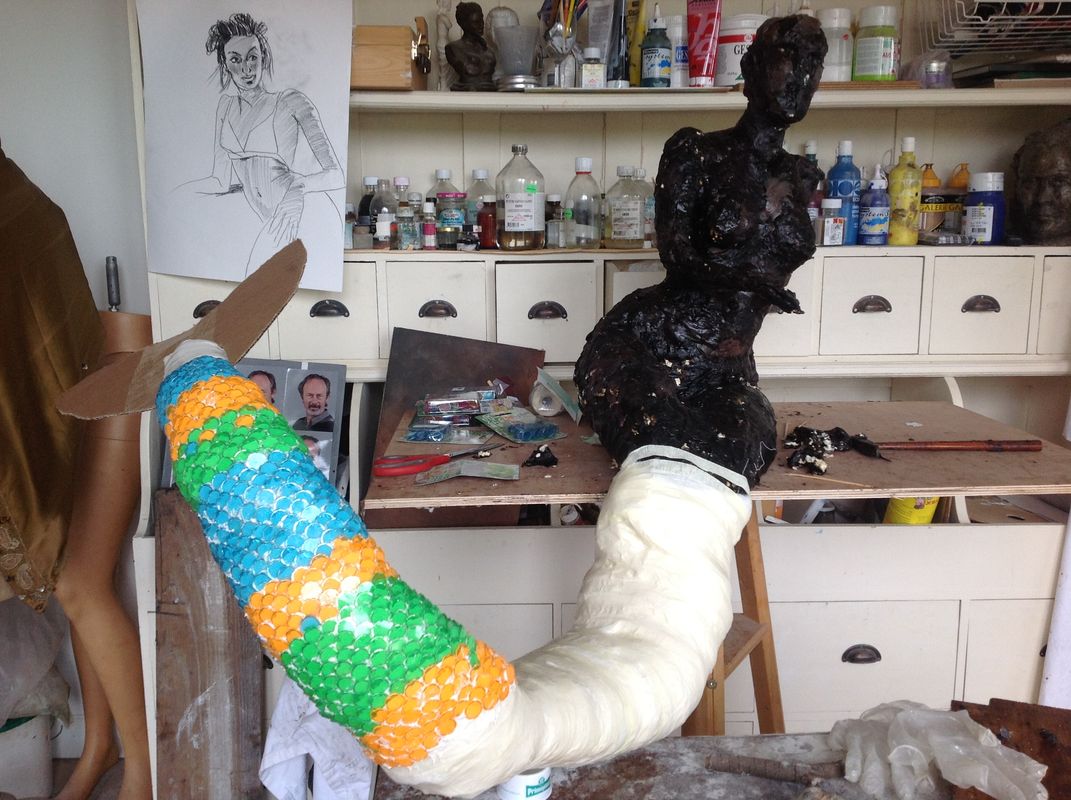
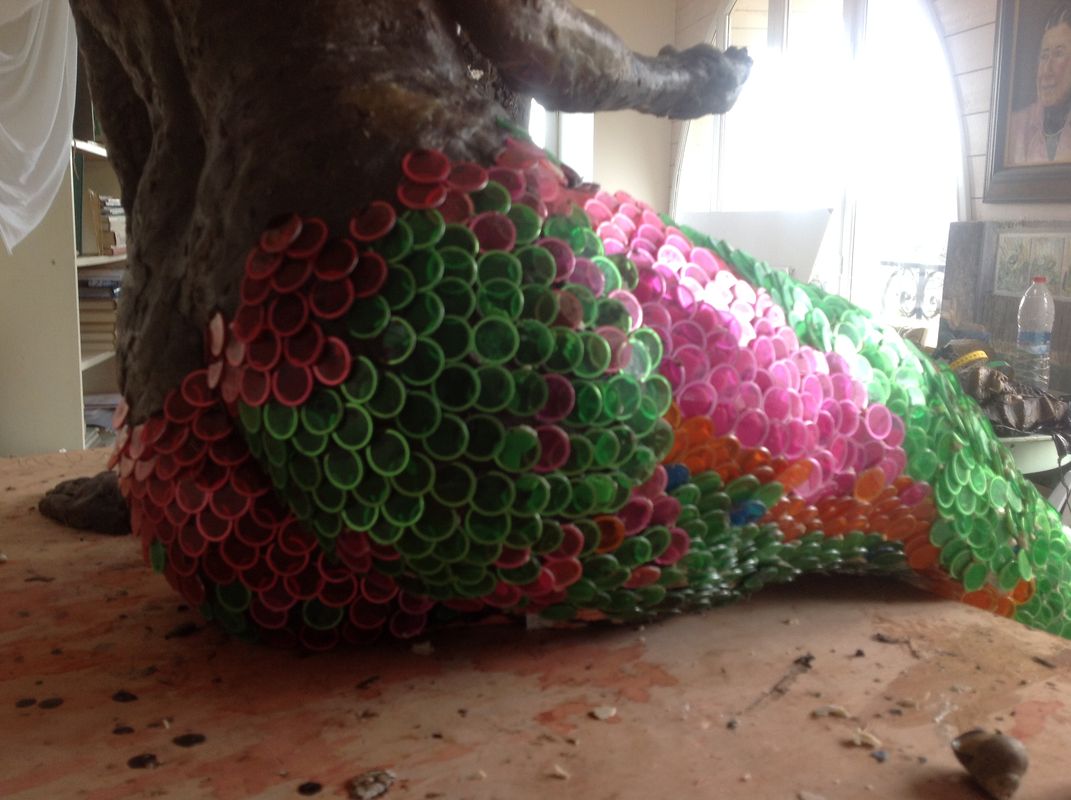
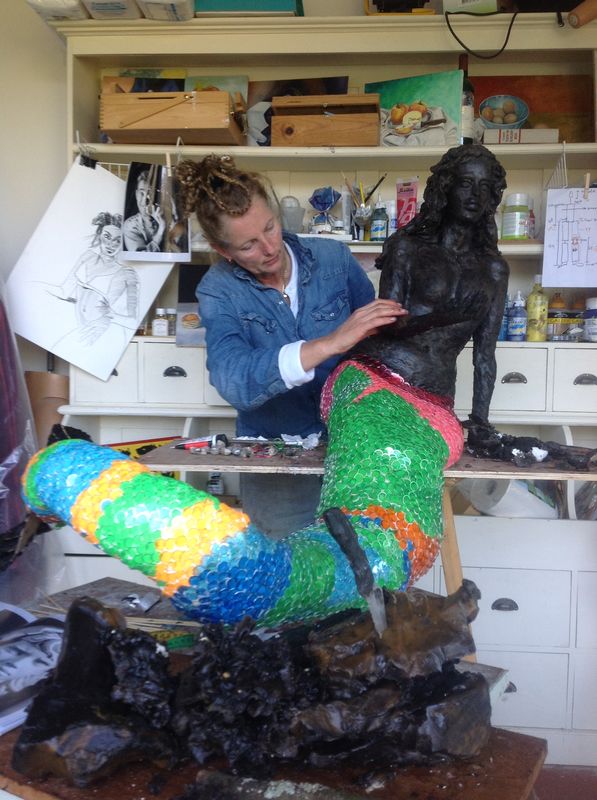
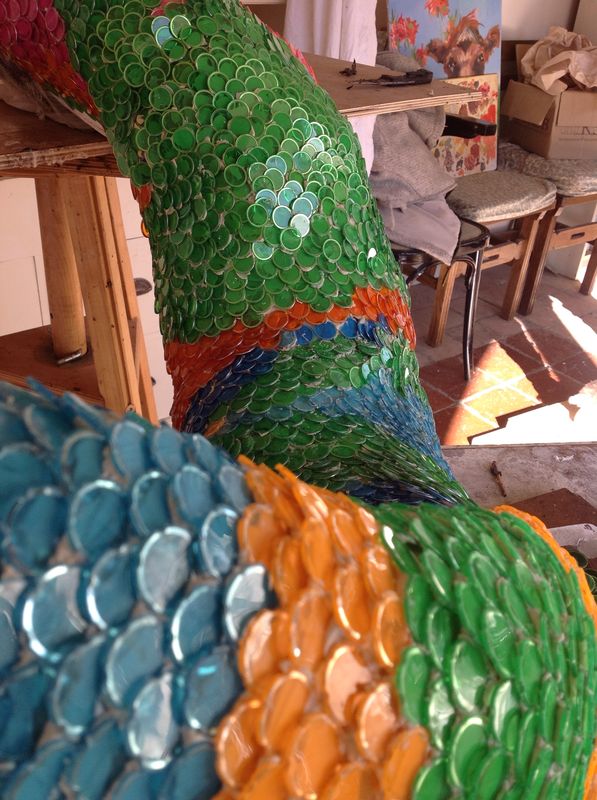
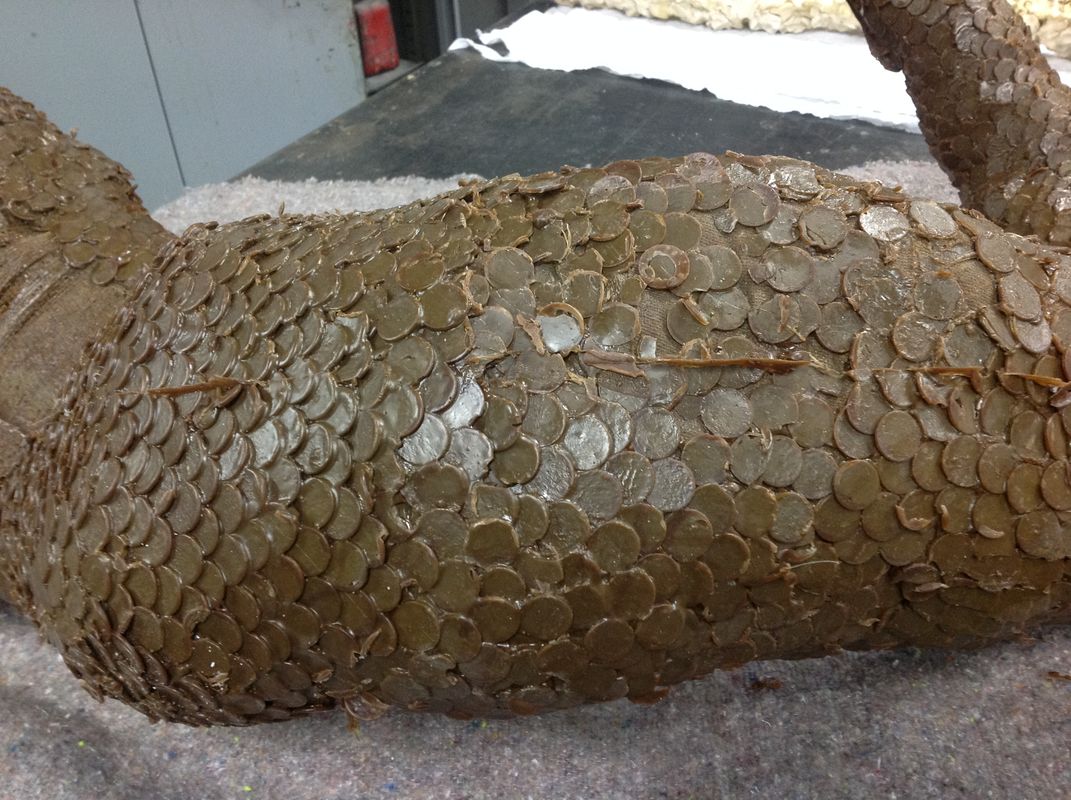
The scales are built up one by one

Creating the scales

The surface of the tail is built up one element at a time. The scales are made from bingo tokens, each one individually glued into place to create a regular, repeating pattern across the form.

Working witht a live model

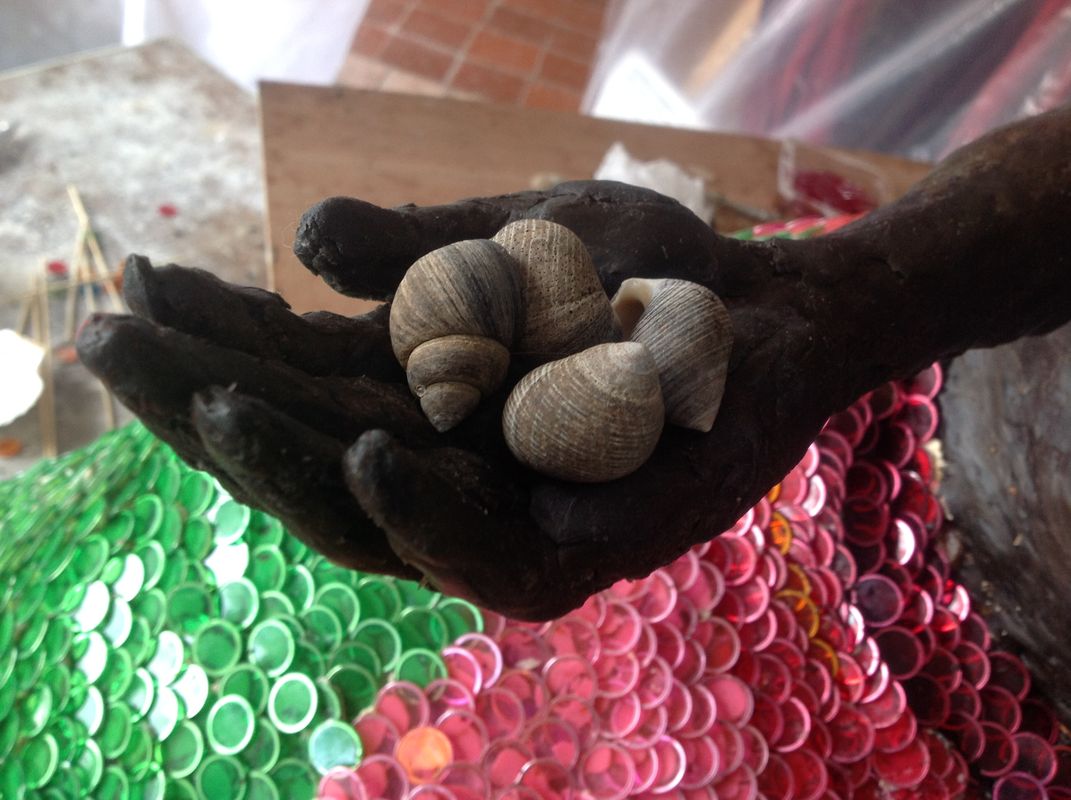
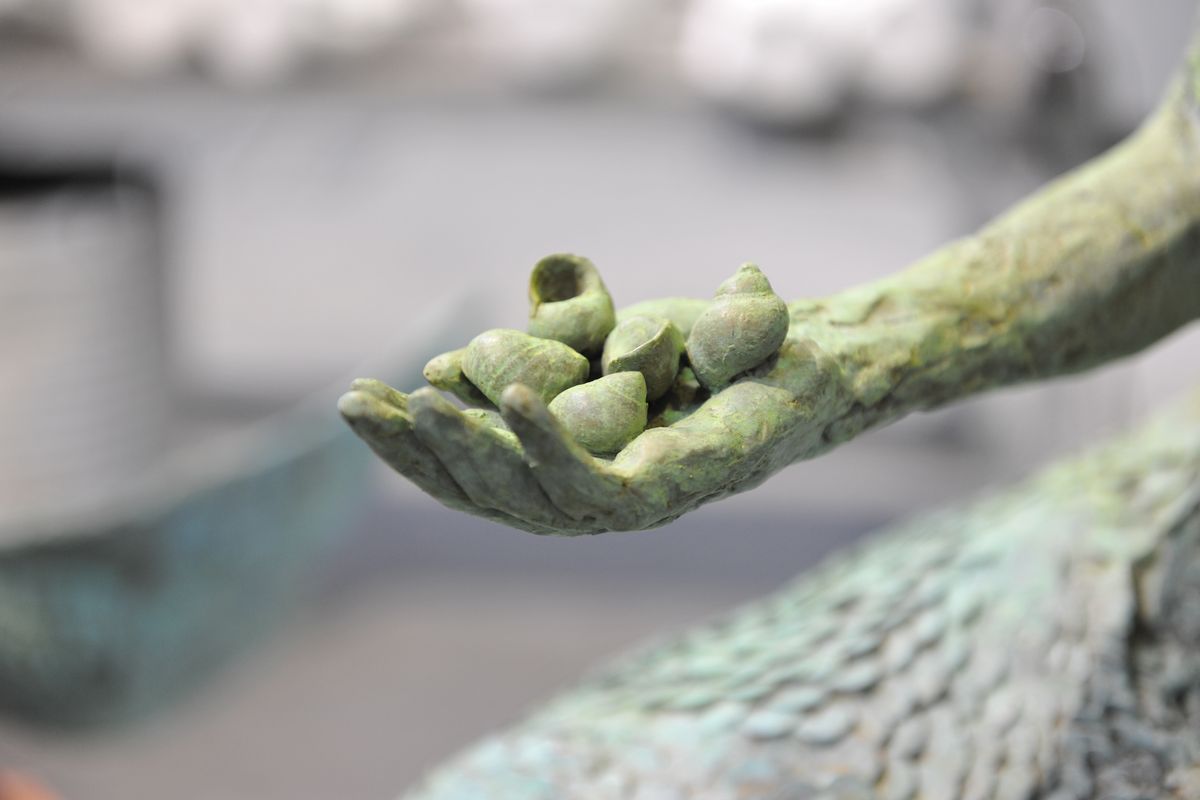
A live model is used as reference for the position of the hand holding the shells. This helps establish a gesture that feels natural and structurally convincing within the sculpture.
Study for the hand holding shells

Preparing the Mould

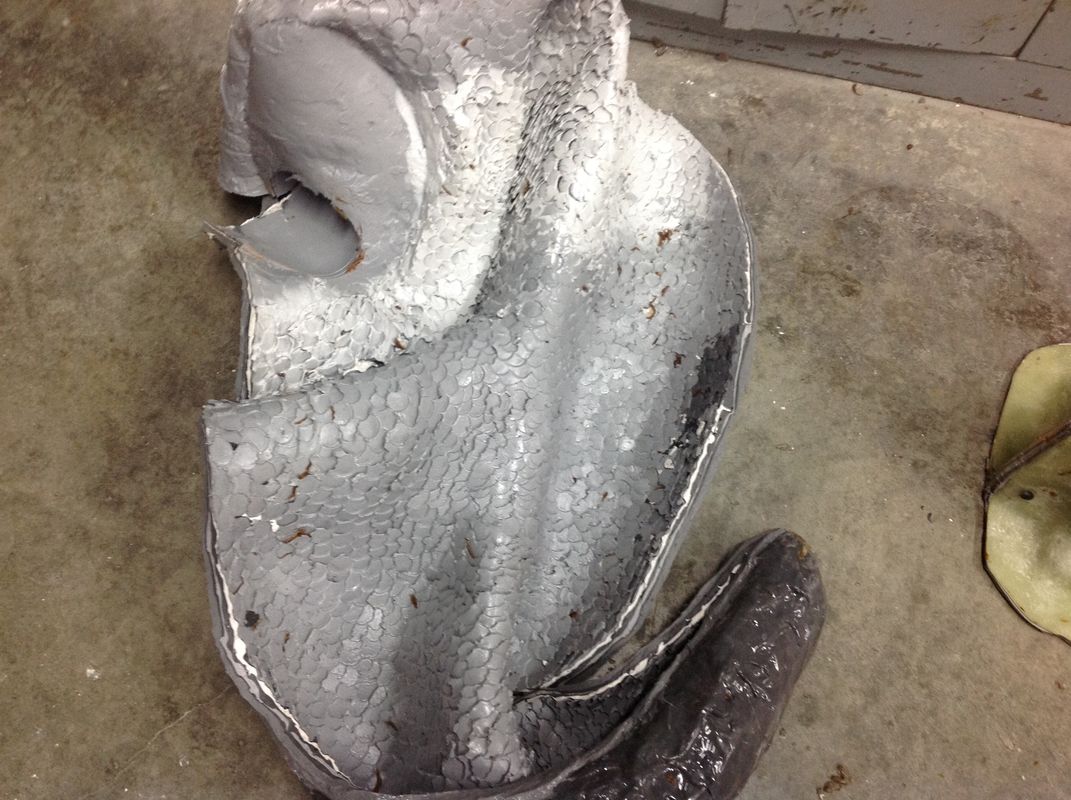
Once the original model is complete, the foundry makes a mould around it. In this stage, the original model is sacrificed in order to create the form from which the bronze will be cast.
Preparing the mould for casting

Casting in bronze

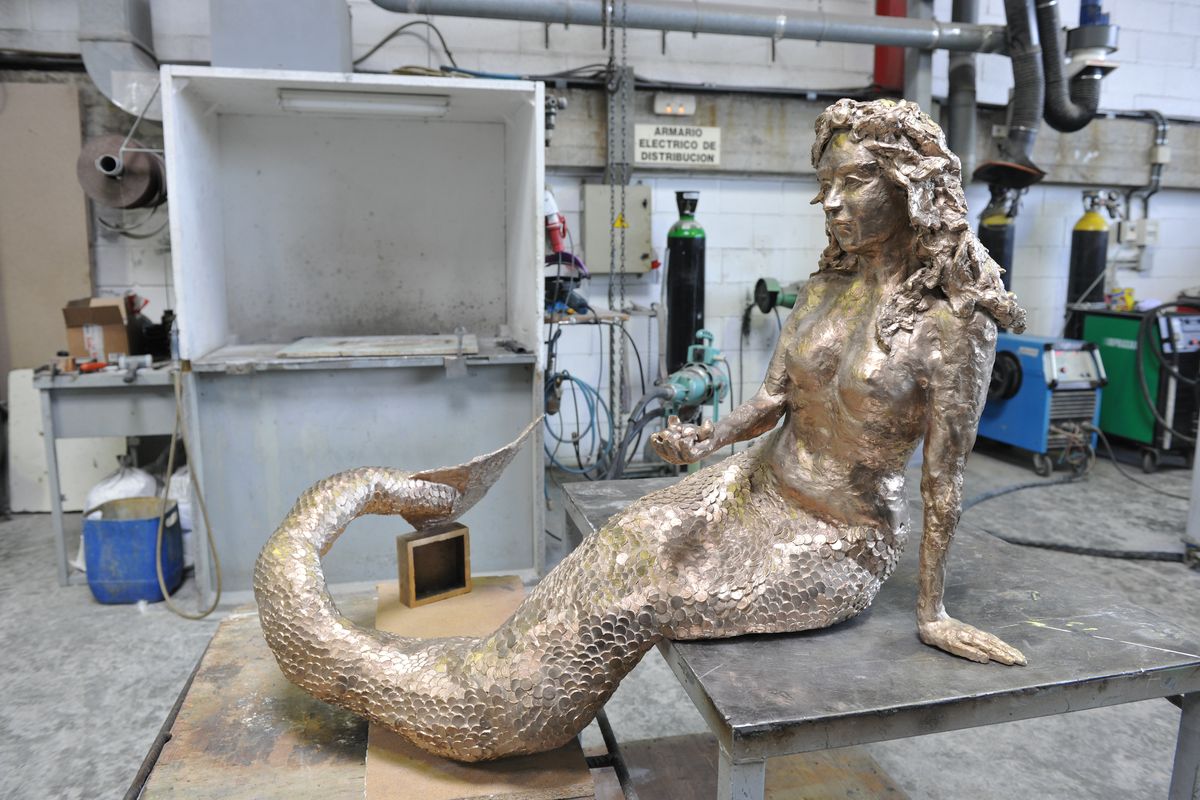
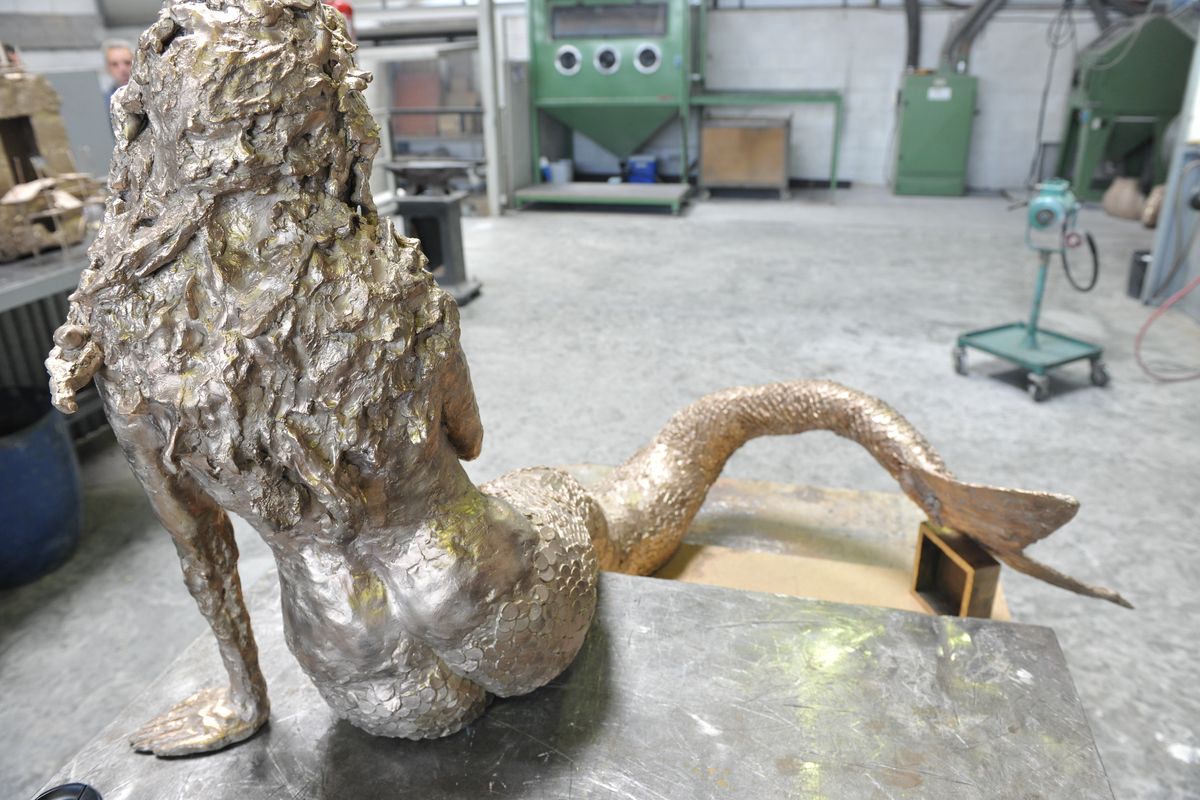
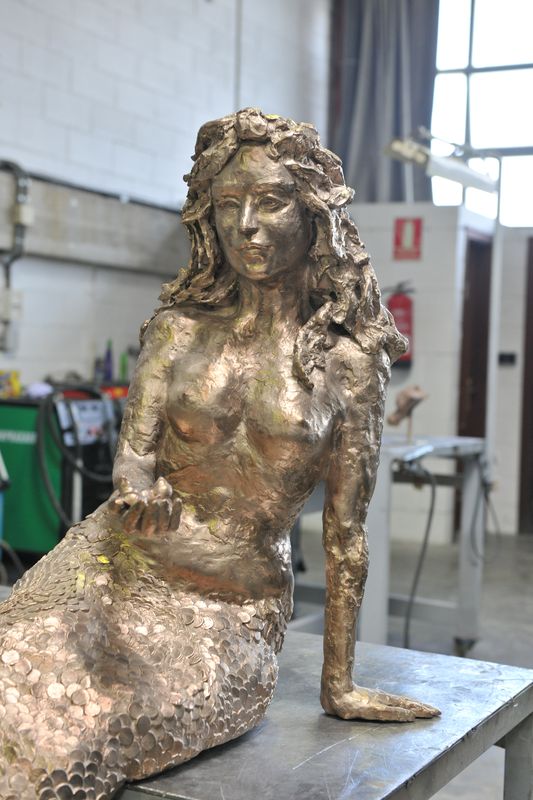
The sculpture is then cast in bronze. The bronze version is made in separate sections, including the head, arms, body, and tail, which allows each part to be cast and finished with precision before assembly.
Freshly cast in bronze

Assembly and surface finishing

After casting, the individual bronze sections are welded together. The surface is then cleaned, chased, and polished by hand so that the joins are removed and the sculpture reads as a single form. All of the work carried out in the foundry is done by hand.

Patination

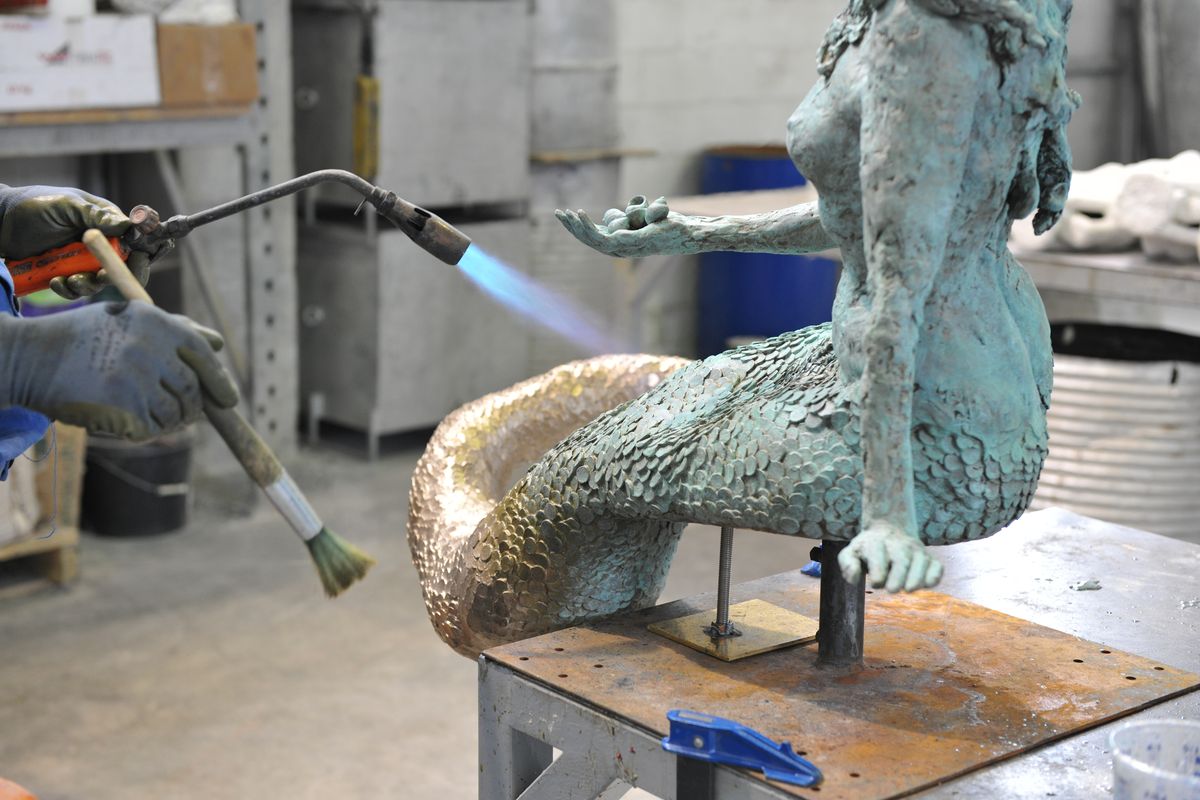
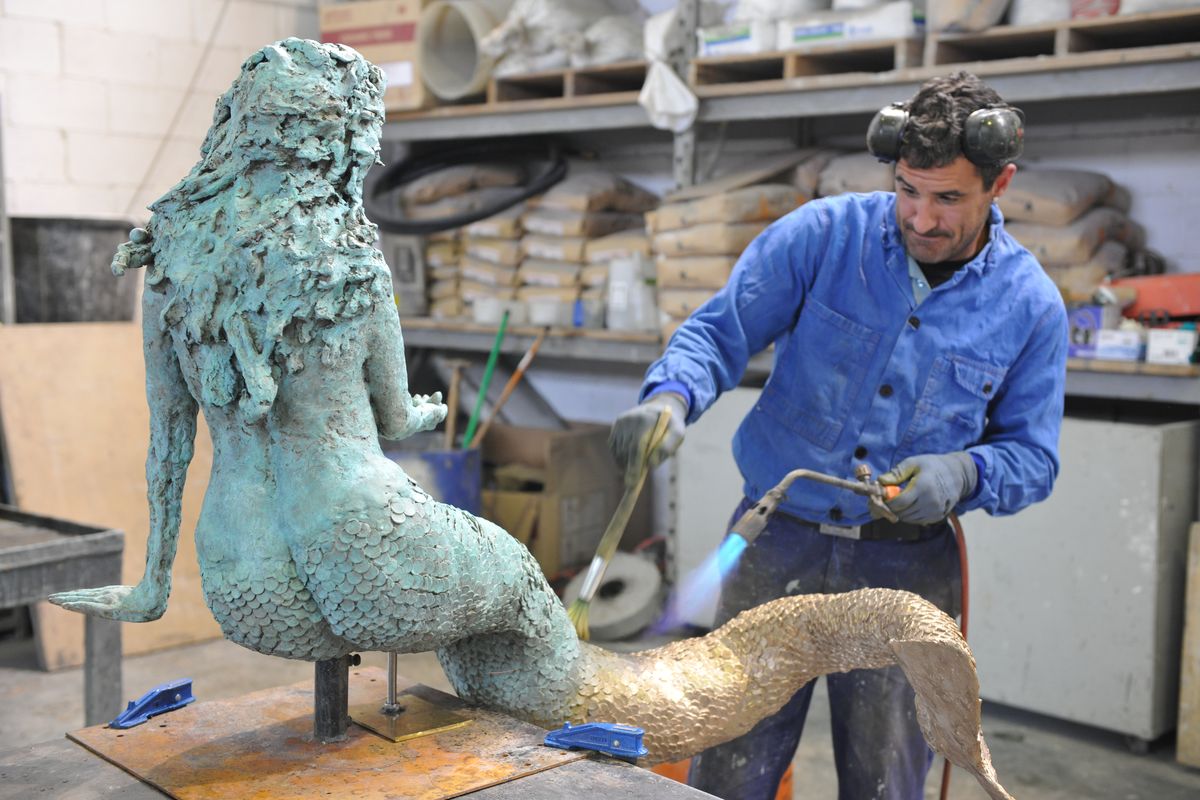
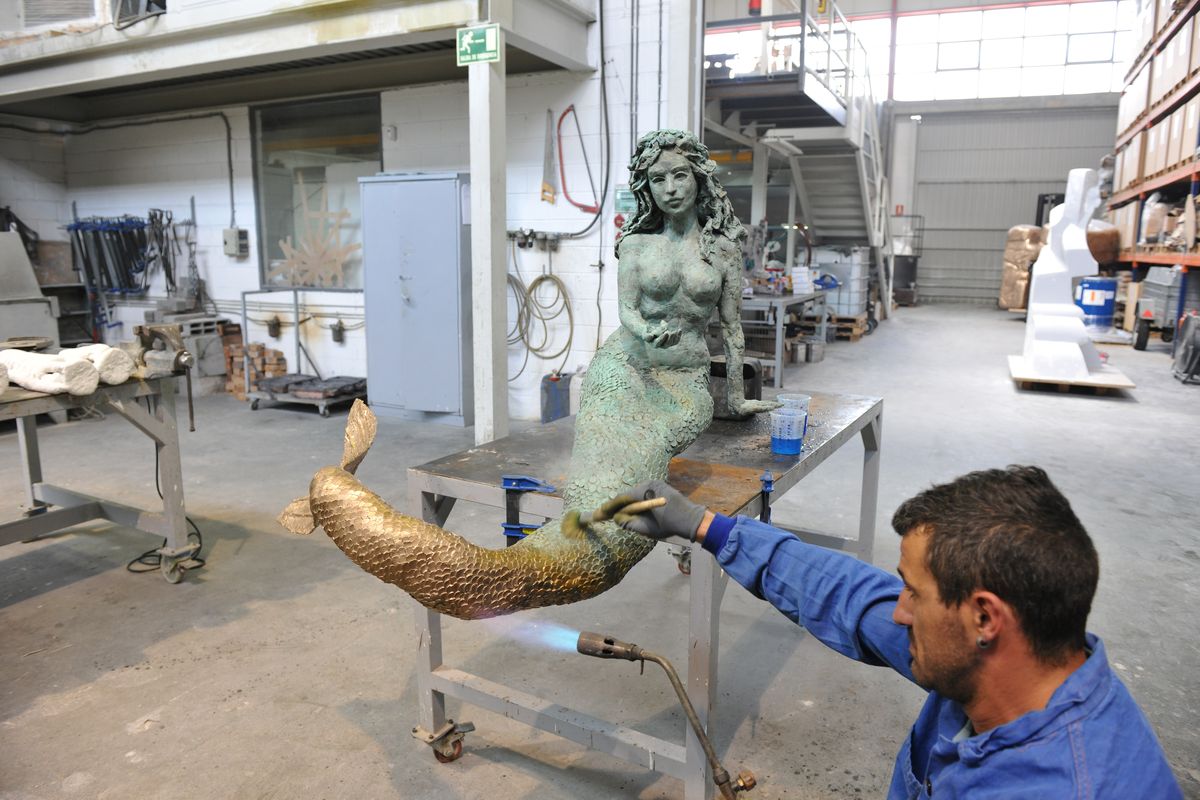
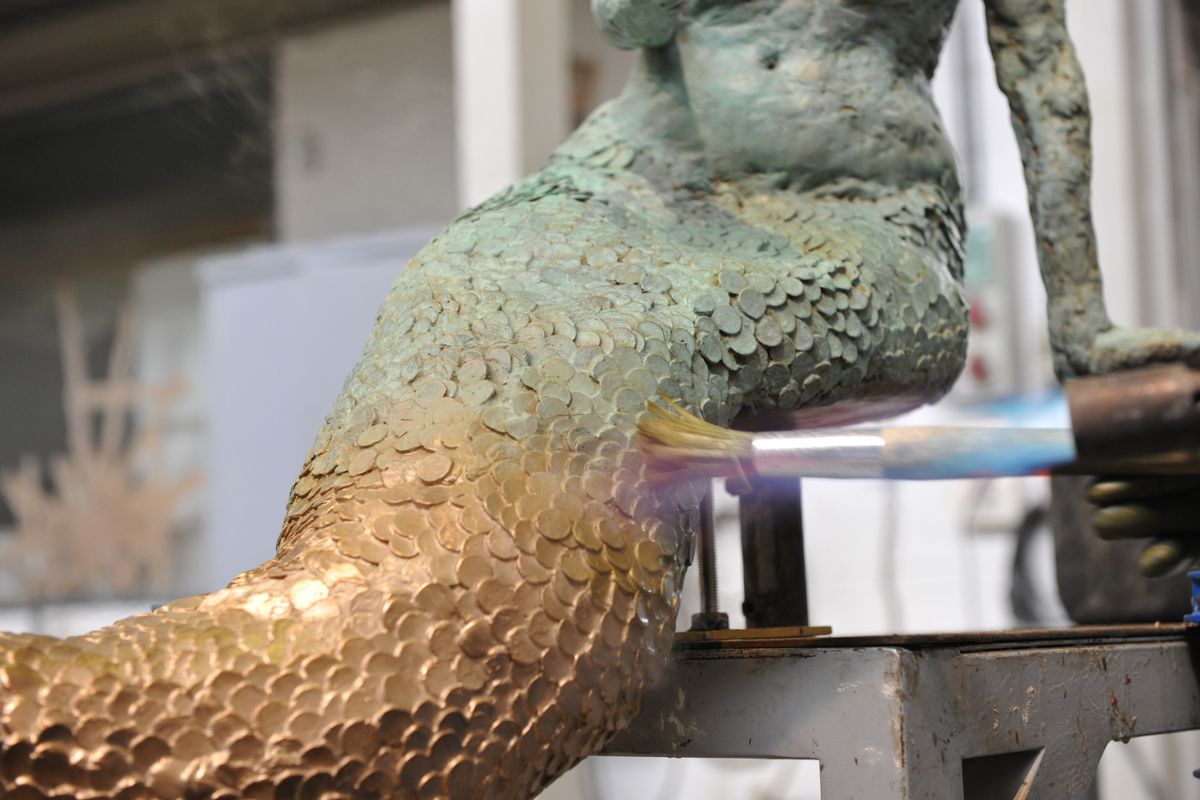
Once the surface has been fully finished, the bronze is patinated. This process involves applying acid to the heated metal in order to develop the final colour. Different tones can be achieved at this stage, depending on the desired finish.
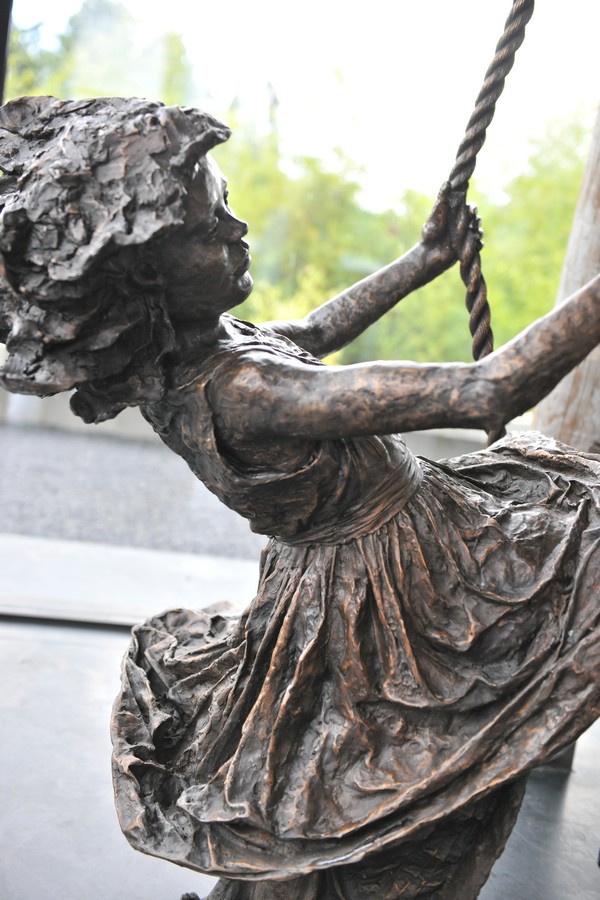
Applying the patina
Applying the patina
Applying the patina
Applying the patina

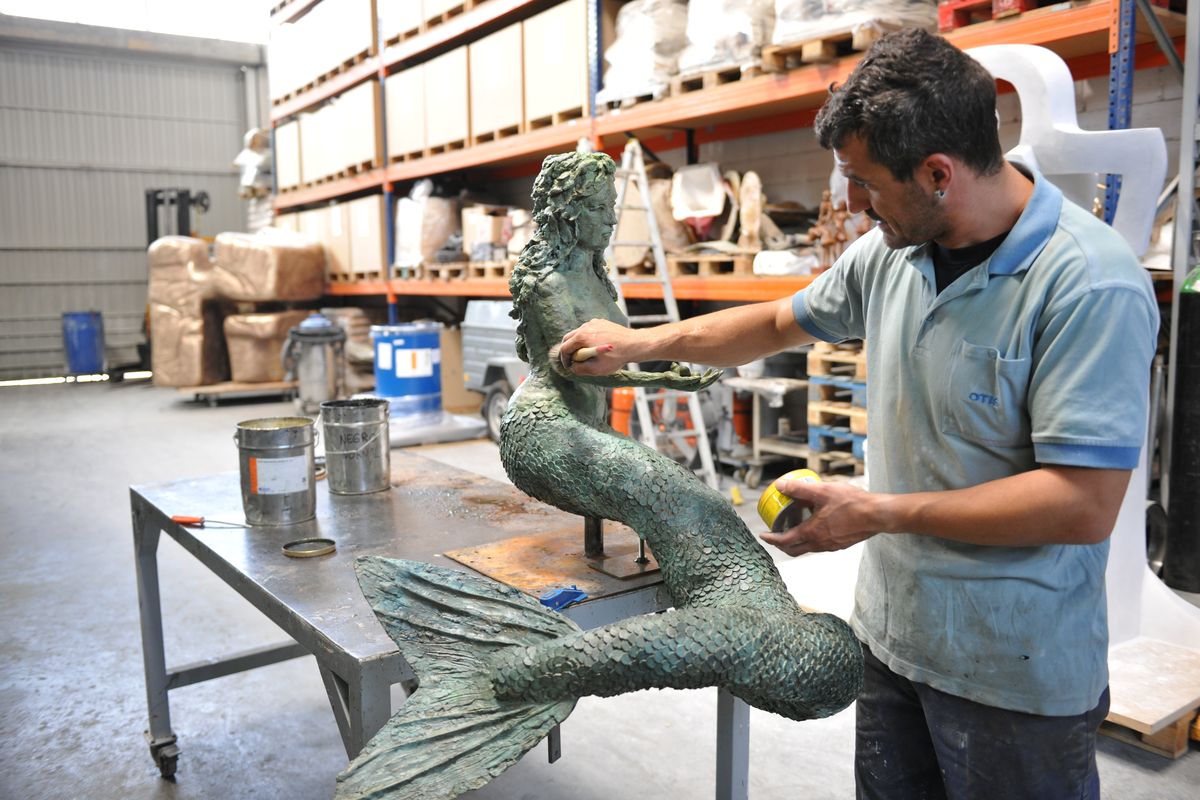
Applying the wax finish

After the sculpture has cooled, a final layer of wax is applied. This protects the surface, enriches the patina, and gives the bronze a soft sheen.
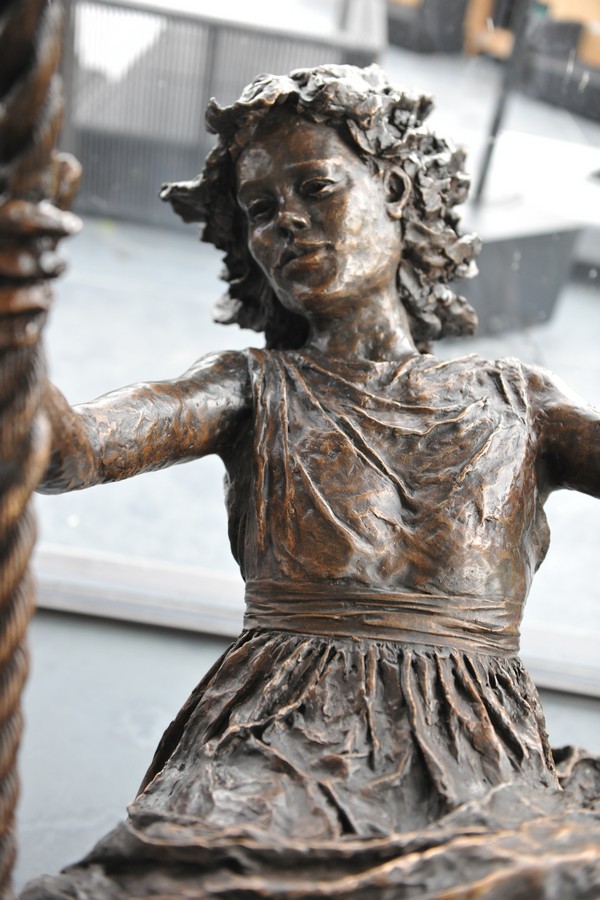
Final surface treatment
The scales are built up one by one
Installed work, on site

Inner Voice

Finally, the bronze is protected with a layer of wax, which deepens the colour and preserves the
patina while giving the surface a subtle sheen.

Inner Voice is a sculptural interpretation of the twenty-two Major Arcana, the Tarot’
s central
archetypal figures. Christine translates each numbered figure into life-size bronze and presents
the twenty-two works as a complete sequence, inviting viewers to move through the work.

Translate »